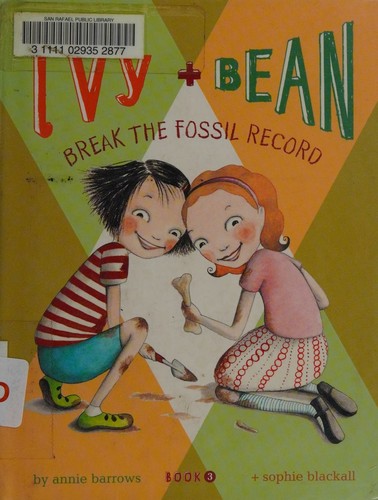
Reach for this book when your child is feeling the heavy weight of being a good kid and needs a safe, humorous outlet to explore the idea of rebellion. It is perfect for the rule follower who is starting to feel restricted by expectations or the child who feels like a failure when they make a mistake. The story follows best friends Ivy and Bean as they decide that being good is simply too much work and embark on a mission to be as bad as possible. However, they quickly discover that being truly mean is much harder than it looks. This lighthearted tale explores the complexity of moral choices and the inherent kindness of children, all while keeping the tone silly and relatable. It is an excellent choice for normalizing the impulse to misbehave and showing that our mistakes do not define our character.
Your experience helps other parents find the right book.
Sign in to write a reviewIncludes words like 'stupid' and 'bratty' which are common in peer dialogue.
The book is entirely secular and safe. It touches on mild social friction and the internal guilt children feel when they think they are disappointing adults, but the approach is humorous and the resolution is hopeful.
An eight-year-old girl who is a bit of a perfectionist at school but has a wild imagination at home. It is for the child who needs to know that wanting to be a 'bad kid' for a day is a normal, funny impulse that doesn't make them a bad person.
No specific scenes require previewing. It can be read cold. Parents should be prepared for the characters to use words like 'stupid' or 'dumb' in a typical playground context. A parent might choose this after hearing their child say, 'It's not fair that I always have to be the good one,' or after a minor tantrum where the child expressed a desire to break all the rules.
Younger readers (ages 6 to 7) will find the physical comedy and the idea of 'being bad' thrillingly naughty. Older readers (ages 9 to 10) will appreciate the irony of how difficult it is for the girls to actually succeed at being mean.
Unlike many books that preach about being good, Barrows validates the desire to be bad, making the eventual 'good' behavior feel like a choice the characters make rather than a rule they are forced to follow.
In this installment of the series, Ivy and Bean decide they have been too 'good' for too long. They set out to achieve a state of total 'badness,' which involves trying to be mean, messy, and uncooperative. Their attempts include trying to find someone to be mean to (and failing because they keep finding reasons to be nice) and attempting to create a disaster that results in unexpected beauty. Ultimately, their 'bad' behavior is undermined by their own empathy and creativity.
This overview was generated by AI based on the book's content and reviews, and may not capture every nuance.