About This Book
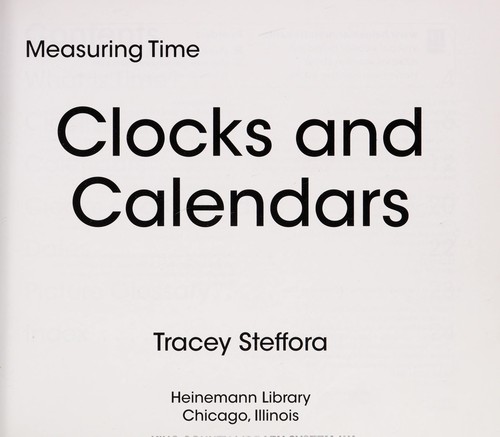
A parent might reach for this book when their child's constant questions of 'how much longer?' and 'when is my birthday?' signal a readiness to understand time. This clear, illustrated guide explains how we measure our lives, from the seconds on a clock to the seasons on a calendar. It breaks down abstract concepts like time zones, leap years, and the history of timekeeping into easy-to-digest chapters. By fostering curiosity and providing concrete answers, it empowers children to make sense of the structure of their days and the world, making it a perfect tool for any inquisitive young mind.
What Parents Should Know
Sensitive Topics
N/A. This is a secular, fact-based STEM book with no sensitive topics.
Ideal Reader
This book is for an inquisitive 7 to 9 year old who has started to ask abstract questions about schedules and dates. They are moving beyond simply knowing the next event and want to understand the system behind it. This child enjoys nonfiction, likes knowing 'how things work', and is ready to connect concepts from school (like telling time) to the bigger picture of science and history.
Parent Prep
No preparation is needed. The book is straightforward and can be read independently. Parents might want to gather simple materials (a paper plate, a stick, some rocks) to try the 'Make a Sundial' activity mentioned in the text, but it is not essential to understanding the content. A parent's child is constantly asking about time: 'How long until my party?' 'Why is it dark at Grandma's house already?' 'What does A.M. mean?'. The child may be learning to tell time in school and is either struggling or showing a deep interest that goes beyond the basics.



Reviews
No reviews yet — be the first!
Your experience helps other parents find the right book.
Sign in to write a review