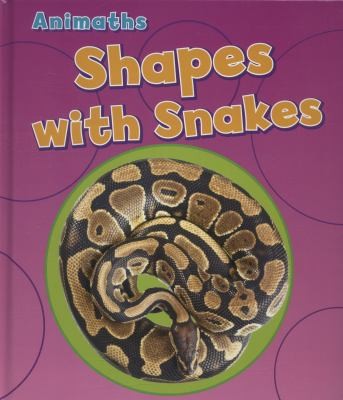
About This Book
A parent might reach for this book when their child first starts asking what coins are for or receives their first allowance. This simple, photo-driven book is a fantastic first introduction to U.S. currency. It clearly identifies pennies, nickels, dimes, and quarters, explaining the value of each and showing how to combine them to make different amounts. It fosters curiosity about the world of commerce and builds a child's self-confidence by demystifying a fundamental life skill. Its short length and direct approach make it perfect for young learners (ages 5-7) who are ready for a concrete lesson in financial literacy without a complex story.
What Parents Should Know
Sensitive Topics
None. The book is a secular, direct, and factual guide to basic money concepts.
Ideal Reader
A 5- to 7-year-old who is a concrete thinker and learns best from clear, photographic examples. This child has likely just started receiving an allowance, has a full piggy bank they don't understand, or has begun asking questions like "How much does that cost?" at the store. They need a book that gets straight to the point without a narrative.
Parent Prep
No prep is needed to read the book cold. However, the experience would be greatly enhanced if the parent gathered a small collection of real pennies, nickels, dimes, and quarters for the child to hold and compare to the photos on each page. This turns the reading into a hands-on sorting and counting activity. The parent sees their child trying to "buy" something at home with play money or real coins but without understanding the values. Or the child receives birthday money and asks, "What's this for?" The parent is looking for the most basic, foundational tool to start the conversation about what money is.



Reviews
No reviews yet — be the first!
Your experience helps other parents find the right book.
Sign in to write a review