Reach for this book when a trip to the grocery store feels like a battleground or when your child struggles to hear the word no in a public place. It provides a relatable, low pressure way to talk about the expectations of public behavior and the patience required for mundane errands. The story follows Little Critter and his family through various shops, capturing the realistic chaos of a toddler's tantrum and the challenges of staying helpful when surrounded by temptations. While the humor keeps the tone light, the book effectively models how a parent manages multiple children and various behaviors simultaneously. It is ideal for children ages 3 to 7 who are learning about impulse control and the social norms of community spaces. By seeing Little Critter navigate these same frustrations, children feel understood rather than lectured, making it a perfect conversation starter before your next outing.


Your experience helps other parents find the right book.
Sign in to write a reviewThe book is entirely secular and realistic. It depicts a public tantrum, which is handled with a firm but calm parental response. There are no heavy themes of loss or trauma, only the common domestic friction of childhood.
A preschooler or early elementary student who finds grocery shopping overstimulating or who frequently asks for treats at the checkout line. It is also excellent for an older sibling who needs to see that their frustration with a younger sibling's behavior is shared by others.
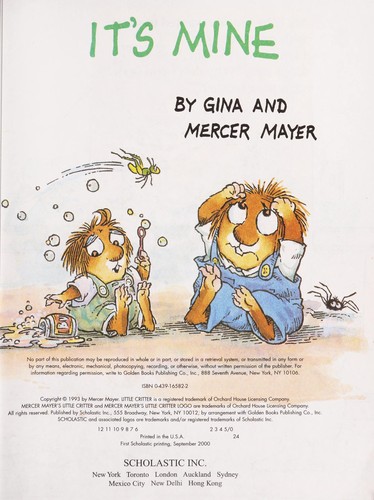
Read this cold. The illustrations are dense with detail, so parents should be prepared to pause and look for the spider and grasshopper hidden on the pages, as this helps keep the child engaged during the more didactic moments. A parent might reach for this after a particularly embarrassing public scene or after feeling like they are the only person struggling to keep their kids in line at the mall.
A 3 year old will relate to the sister's desire for the doll and the feeling of being tired. A 6 year old will identify more with Little Critter, taking pride in being the big helper and noticing the humor in the sister's overreaction.
Unlike many behavior books that are overly preachy, Mercer Mayer uses his signature humor and expressive animal characters to make the lesson feel like a shared family joke rather than a reprimand.
Little Critter joins his mother and younger siblings for a series of errands. They visit the grocery store, the clothing store, and the toy store. While Little Critter tries to be helpful, his younger sister struggles with the rules, eventually having a full scale meltdown in the toy department. The story concludes with the family returning home, exhausted but successful, highlighting the reality of a busy family day.
This overview was generated by AI based on the book's content and reviews, and may not capture every nuance.