
About This Book
A parent would reach for this book when their child is expressing quiet apprehension or vocal resistance about starting school or transitioning to a new classroom. It serves as a gentle, low-pressure walkthrough of what a typical school day looks like, focusing on the fun and familiar rather than the overwhelming. Little Critter leads the way through various stations like the art room, the cafeteria, and the playground, making the unknown feel manageable. Parents will appreciate how Mercer Mayer uses humor and detailed illustrations to normalize the school environment. It is particularly effective for children aged 3 to 7 who thrive on routine and need to visualize their day to feel secure. By the end of the story, the mystery of the classroom is replaced with a sense of belonging and excitement.
What Parents Should Know
Sensitive Topics
The book is entirely secular and focuses on the routine aspects of school life. It does not address specific traumas or disabilities, maintaining a light and cheerful tone throughout. The resolution is hopeful, reinforcing that school is a safe and joyful place.
Ideal Reader
A preschooler or kindergartner who is a 'visualizer.' This child might ask a lot of 'what happens next' questions and needs to see the physical layout and sequence of a day to feel brave enough to enter it.

This Is My School

Just Shopping With Mom

Merry Christmas, Little Critter!

Happy Halloween, Little Critter!
Just Go to Bed
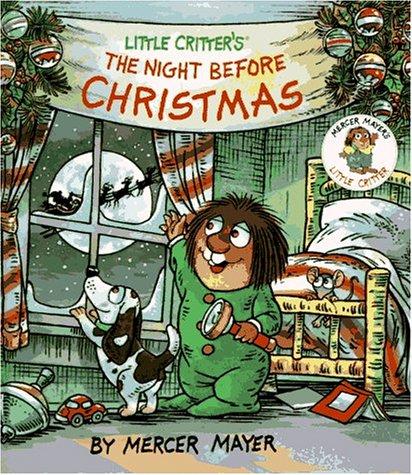
Little Critter's The Night Before Christmas
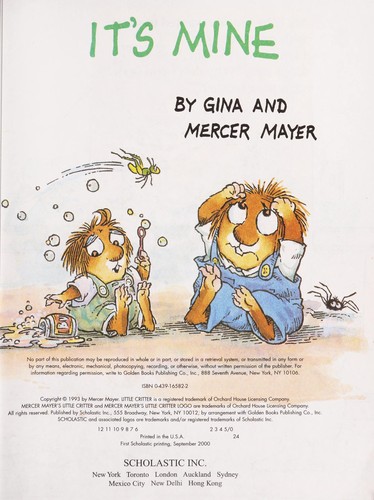
It's Mine
Little Monster at School

Just a Nap
Just Grandma and Me

Just Going to the Dentist

Just a Mess

First Day of School

It's Easter, Little Critter!
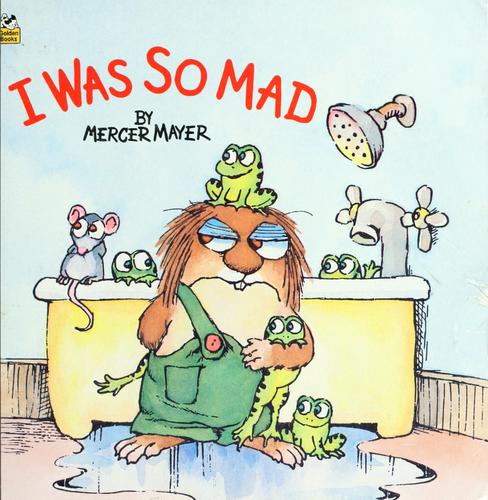
I Was So Mad
Reviews
No reviews yet — be the first!
Your experience helps other parents find the right book.
Sign in to write a review

