
About This Book
Reach for this book when a playdate has devolved into a tug-of-war over a favorite toy or when your child is struggling to navigate the complex social dynamics of a small group. This relatable story features Mercer Mayer's iconic Little Critter characters as they learn that 'mine' is a very lonely word. It explores the frustration of possessiveness and the eventual realization that playing together is much more rewarding than playing alone. Perfect for preschoolers and early elementary students, it validates the big feelings of jealousy and ownership while providing a gentle, modeling path toward cooperation and making amends. Parents will appreciate how it frames sharing not just as a rule to follow, but as a way to maintain friendships and keep the fun going.
What Parents Should Know
Sensitive Topics
None. The book is a secular, straightforward behavioral fiction title. It handles the 'punishment' of social isolation realistically but gently, with a hopeful and proactive resolution.

It's Mine

Just a Nap

I Was So Mad

Little Monster at School

Just a Mess

Just Go to Bed

First Day of School

Merry Christmas, Little Critter!

Happy Halloween, Little Critter!

It's Easter, Little Critter!

Just Going to the Dentist

The Night Before Christmas

Just Shopping With Mom
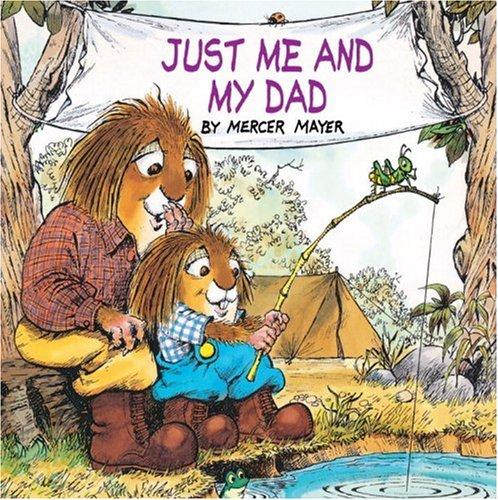
Just Me and My Dad

Just Me and My Mom

This Is My School

Just Grandma and Me
Reviews
No reviews yet — be the first!
Your experience helps other parents find the right book.
Sign in to write a review


