About This Book
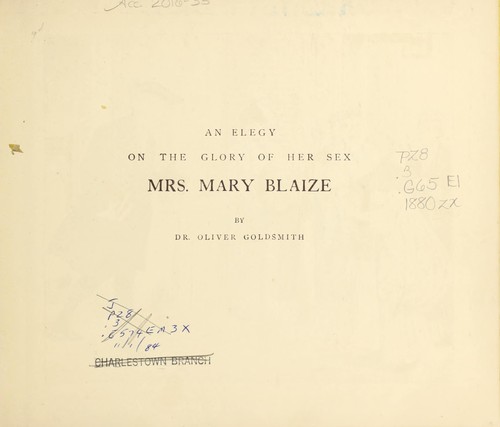
Reach for this book when you want to explore the tricky concept of integrity or start a conversation about why people are not always what they seem. While it appears to be a simple, classic poem, this vintage work uses gentle satire and wit to profile a character who performs public acts of kindness while harboring private flaws. It is a sophisticated way to introduce children to irony and the importance of looking beneath the surface of social reputations. Originally written by 18th-century author Oliver Goldsmith, the text is both humorous and rhythmic, making it a delightful choice for reading aloud. It explores themes of honesty and the difference between true virtue and mere appearance. It is best suited for children who enjoy clever wordplay and can appreciate a bit of historical charm. Parents will value how it encourages critical thinking about human nature and the complexities of adult behavior in a lighthearted, accessible format.
What Parents Should Know
Sensitive Topics
The book deals with social hypocrisy and ends with the character's death. The approach is highly satirical and secular. The death is handled with the same dry, rhythmic wit as the rest of the poem, making it feel more like a literary punchline than a tragedy.

Sing a Song of Sixpence

R. Caldecott's Picture Book (No. 1)

R. Caldecott's Picture Book, No. 2

An Elegy on the Death of a Mad Dog

The Babes in the Wood

The Three Jovial Huntsmen

Sing a Song for Sixpence

The Farmer's Boy

The Milkmaid

The Queen of Hearts

Hey Diddle Diddle and Baby Bunting

A Frog He Would A-Wooing Go

The Fox Jumps Over the Parson's Gate

Ride A-Cock Horse to Banbury Cross

Ride A Cock-Horse To Banbury Cross & A Farmer Went Trotting Upon His Grey Mare

Come Lasses and Lads
Mrs. Mary Blaize
Reviews
No reviews yet — be the first!
Your experience helps other parents find the right book.
Sign in to write a review


