
About This Book
Reach for this book when you want to explore the history of storytelling or introduce the concept of grief through a classic, artistic lens. This Victorian nursery tale follows two young siblings left in the care of a greedy uncle, eventually finding peace in a forest where birds offer them a final, gentle covering of leaves. It is a somber poem that balances tragedy with beautiful illustrations and the quiet comfort of nature. While the ending is bittersweet, it provides a safe space for children to process heavy emotions like loneliness and the permanence of loss. Parents might choose this edition to discuss how stories from the past differ from modern tales, or to admire Randolph Caldecott's influential art style which helped define the modern picture book.
What Parents Should Know

R. Caldecott's Picture Book (No. 1)

Sing a Song of Sixpence

R. Caldecott's Picture Book, No. 2

An Elegy on the Death of a Mad Dog
The Babes in the Wood

The Three Jovial Huntsmen

Sing a Song for Sixpence

The Farmer's Boy

The Milkmaid

The Queen of Hearts

Hey Diddle Diddle and Baby Bunting

A Frog He Would A-Wooing Go

The Fox Jumps Over the Parson's Gate

Ride A-Cock Horse to Banbury Cross

Ride A Cock-Horse To Banbury Cross & A Farmer Went Trotting Upon His Grey Mare

Come Lasses and Lads
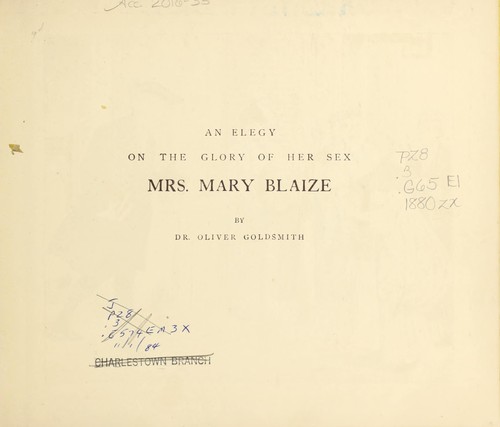
Mrs. Mary Blaize
Reviews
No reviews yet — be the first!
Your experience helps other parents find the right book.
Sign in to write a review


