
About This Book
A parent would reach for this book when they want to soothe an active toddler with rhythmic language or introduce a sense of wonder through historical art. It is a perfect choice for quiet bonding moments before naptime or as a gentle sensory introduction to poetry and music. The book centers on the classic Victorian nursery rhyme of a fine lady on a white horse, brought to life by the legendary illustrations of Randolph Caldecott. It evokes a world of bells, rings, and galloping hoofbeats that stimulate a child's imagination while providing the comfort of repetitive, melodic verse. Through these pages, you are sharing a piece of literary history that celebrates joy, curiosity, and the simple beauty of movement. It is ideally suited for children ages 0 to 5 who are developing their phonological awareness and love for animals.
What Parents Should Know
Sensitive Topics
None. The book is entirely secular and lighthearted, focusing on historical whimsy.

R. Caldecott's Picture Book (No. 1)

Sing a Song of Sixpence

R. Caldecott's Picture Book, No. 2

An Elegy on the Death of a Mad Dog

The Babes in the Wood

The Three Jovial Huntsmen

Sing a Song for Sixpence

The Farmer's Boy

The Milkmaid

The Queen of Hearts

A Frog He Would A-Wooing Go

Hey Diddle Diddle and Baby Bunting

The Fox Jumps Over the Parson's Gate
Ride A-Cock Horse to Banbury Cross

Ride A Cock-Horse To Banbury Cross & A Farmer Went Trotting Upon His Grey Mare

Come Lasses and Lads
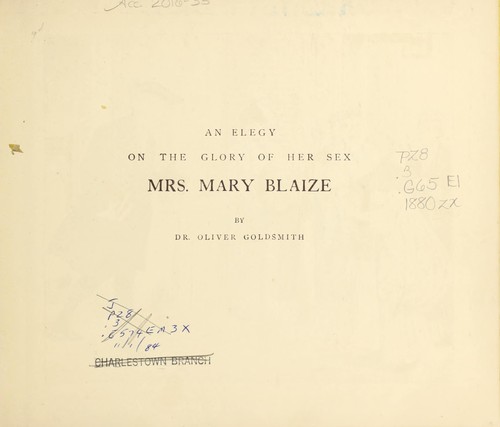
Mrs. Mary Blaize
Reviews
No reviews yet — be the first!
Your experience helps other parents find the right book.
Sign in to write a review


