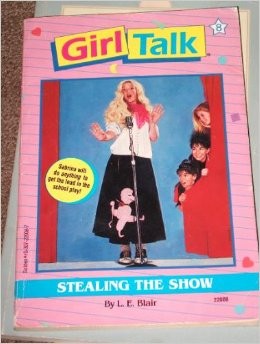
A parent might reach for this book when their middle schooler is struggling to balance their own identity with the desire to fit in. This story, part of the popular 90s 'Girl Talk' series, follows four best friends as their group dynamic is tested. When some of the girls start prioritizing popularity and making choices that feel wrong to one of them, she must decide whether to go along or stand up for her own values, risking the friendships she cherishes. This book is a gentle and relatable entry point into conversations about peer pressure, self-confidence, and the changing nature of friendships during the junior high years. For ages 11-14, it normalizes the anxiety of social pressure and models how to navigate difficult situations with integrity, making it a supportive read for any child feeling caught between who they are and who their friends want them to be.
Your experience helps other parents find the right book.
Sign in to write a reviewCharacters navigate social dilemmas and choices between fitting in and doing the right thing.
Published in 1994. Reflects fashion, technology, and slang of the time.
The core topic is peer pressure and its accompanying themes of social exclusion and bullying. The approach is direct but age-appropriate for its time, focusing on the emotional turmoil rather than extreme situations. The context is secular. The resolution is hopeful, reinforcing the ideas that true friends will respect your choices and that personal integrity is paramount.
An 11 to 13-year-old who is beginning to feel the social ground shift beneath them. This reader may feel like their old friends are changing too fast, or they may be the one feeling pressured to adopt new attitudes or interests to maintain their social standing. They are actively trying to figure out who they are separate from their friends.
Parents should be aware of the 1994 publication date. The book lacks modern technology (no cell phones or social media) and reflects the styles and slang of the era. However, the emotional core of the story is timeless and requires no special context before reading. The parent hears their child say, "But everyone else is doing it!" or expresses anxiety about being left out by their friend group. The parent might notice their child is acting withdrawn or is mimicking behaviors of friends that seem inauthentic to them.
A younger reader (11-12) will likely focus on the perceived betrayal and the fear of being alone. They will see the central conflict in more black-and-white terms of right and wrong. An older reader (13-14) will better appreciate the social nuances, the pressure all the characters are under, and the difficulty of navigating shifting group dynamics.
Compared to contemporary novels on peer pressure which can be grittier, this book offers a gentler, more reassuring exploration of the topic. As part of a series, it has a familiar, comforting tone. Its strength lies in its straightforward and earnest approach, providing a clear model for positive behavior and self-advocacy without delving into more intense YA themes.
This book is part of the 'Girl Talk' series, focusing on the friendship of four junior high girls: Sabrina, Allison, Randy, and Katie in Acorn Falls, Minnesota. The central conflict arises when the established group dynamic is threatened by social pressure. Some of the friends begin to change, prioritizing popularity or engaging in behaviors (like being unkind to others or minor rule-breaking) that make one of the girls uncomfortable. The protagonist is forced to confront the difference between what her friends are doing and what she believes is right, leading to a difficult choice that could mean losing her friends.
This overview was generated by AI based on the book's content and reviews, and may not capture every nuance.