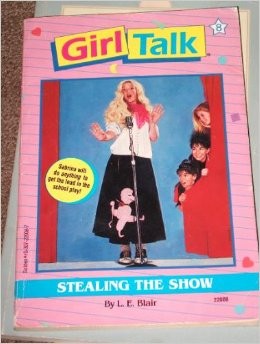
For the pre-teen navigating the exciting, yet sometimes daunting, world of middle school, this book offers a relatable look at new friendships and fitting in.
A parent might reach for this book when their child is expressing anxiety about starting middle school or is struggling to find their place in a new social landscape. "Welcome To Junior High!" directly addresses the overwhelming feelings of navigating new hallways, shifting friendships, and the pressure to fit in. It follows a relatable main character as they face the daunting lunchroom, try to join clubs, and figure out what loyalty means when old friends drift apart. This book is ideal for ages 11 to 14 because it normalizes the worry and loneliness that can accompany this major life transition. It provides comfort by showing a path through the challenges and models resilient behavior, making it a great tool for opening up conversations about your child's own fears and experiences.
Characters face peer pressure and may make poor social choices before learning from them.
Cultural Content GapMild
Published in 1990. The absence of cell phones and social media may feel dated to modern kids.
Sensitive Topics
The book deals directly with the social and emotional struggles of adolescence: peer pressure, social exclusion (feeling left out, being ignored), and anxiety about belonging. The approach is secular and grounded in realistic school-day scenarios. There are no heavy topics like death or divorce. The resolution is hopeful and reassuring, emphasizing that these difficult feelings are temporary and that authentic friendships are worth finding.
Ideal Reader
This book is perfect for a 10 to 13-year-old who is about to start middle school or is in their first year and feeling overwhelmed. It's for the child worried about losing their old friends, having no one to sit with at lunch, or not being popular enough. It strongly resonates with kids who are thoughtful and sensitive to social dynamics.
Parent Prep
This book can be read cold. However, a parent might want to preview scenes involving gossip or social exclusion to be prepared for specific questions. The 1990 publication date is also worth noting. A brief conversation about how friendships and school life were different before cell phones and social media might be helpful context for a young reader. The parent hears their child say, "What if no one likes me?" or "All my friends are in different classes and I'm going to be all alone." The child might become withdrawn or uncharacteristically quiet as the first day of school approaches, or come home from school seeming sad and isolated.
Age Experience
An 11 or 12-year-old will connect with the concrete fears: getting lost, a difficult locker combination, the terror of the lunchroom. They will find comfort in the eventual positive outcome. A 13 or 14-year-old, perhaps looking back on their own transition, will appreciate the more nuanced exploration of shifting identities, the pain of a friendship breakup, and the subtle dynamics of cliques.
What Makes It Special
Published in 1990, its key differentiator is the absence of technology. The social conflicts play out entirely face-to-face in hallways, at parties, and over landline phones. This provides a less cluttered, more direct exploration of interpersonal relationships that can feel refreshing and timeless, focusing on core communication and emotional intelligence without the added layer of social media anxiety.
Read plot summary
The story follows a protagonist entering junior high, eager but nervous. Their elementary school friend group immediately splinters, with some joining popular cliques and others drifting away. The main character grapples with loneliness (especially at lunchtime), the awkwardness of new classes, and the pressure to change in order to fit in. After some trial and error with different groups, they eventually form a new, more authentic circle of friends who appreciate them for who they are. The plot gently explores themes of identity, peer pressure, and the courage it takes to be yourself. A humorous and supportive family dynamic provides a stable background.
This overview was generated by AI based on the book's content and reviews, and may not capture every nuance.
Discussion Prompts
1
When the main character's best friend from elementary school started ignoring them for the popular group, what do you think they should have done? What would you have done?
2
The book talks a lot about the fear of eating lunch alone. Why do you think this is such a big deal in middle school? Did the main character's solution seem realistic?
3
Think about the new friends the main character makes versus their old friends. What qualities made the new friendships stronger and more authentic?
4
If you could give one piece of advice to the main character on their very first day of junior high, what would it be?