For teens grappling with identity, belonging, and conviction, this graphic novel explores one girl's journey of faith and loyalty during a turbulent historical conflict.
A parent might reach for this book when their teen feels like an outcast or is struggling to find where they belong. It's for the young person asking big questions about faith, identity, and what it means to stand up for your beliefs. This powerful graphic novel tells the story of Four-Girl, an unwanted daughter in 1898 China who finds a name, Vibiana, and a community in Christianity. As the violent Boxer Rebellion rises against Western influence, Vibiana is caught between her cultural heritage and her new faith. This book tackles deep themes of loyalty, sacrifice, and self-discovery, making it best for mature middle and high school readers who can handle historical violence and complex moral questions.
Deals with family rejection, intense loneliness, persecution, and tragic loss.
Racism & DiscriminationModerate
The story is centered on xenophobia and the violent persecution of a religious minority.
Moral AmbiguityModerate
Characters make difficult choices in a complex conflict with no easy answers.
Sensitive Topics
The book deals directly with themes of religious conversion, persecution, and martyrdom from a Catholic perspective. Vibiana's initial loneliness and family rejection are central to her motivations. The violence of the Boxer Rebellion is depicted directly, including character deaths and massacres, though the graphic novel format keeps it from being gratuitously gory. The resolution is historically realistic and tragic; it is not a happy ending but one that finds meaning in sacrifice and faith.
Ideal Reader
A thoughtful, empathetic teen (13-16) who appreciates historical fiction and complex characters. It's a perfect fit for a reader wrestling with big questions about faith, belonging, cultural identity, and what it means to have conviction, especially if they feel like an outsider themselves.
Parent Prep
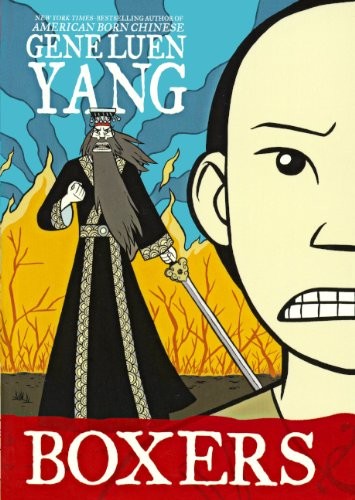
Parents should preview the book to be prepared for the scenes of violence and persecution. A conversation about the historical context of the Boxer Rebellion, colonialism, and missionary work in China would be very beneficial. Reading this alongside its companion, "Boxers," provides a much fuller, more nuanced understanding of the conflict from two opposing perspectives. A parent notices their teen feeling isolated, expressing a desire for a community where they fit in, or asking challenging questions about history, religion, and justice after a school lesson or current event.
Age Experience
A younger reader (12-13) will likely connect most with Vibiana's personal journey of overcoming loneliness and finding a name and friends. An older teen (14-16) is better equipped to grapple with the complex moral and theological questions about martyrdom, cultural loyalty, and the historical forces at play.
What Makes It Special
Its primary differentiator is its function as a companion piece to "Boxers," presenting the opposite side of the same historical conflict. This forces a sophisticated reading experience where empathy must be extended to two warring factions. It centers the perspective of a Chinese Christian girl, a viewpoint rarely explored in young adult literature, and uses magical realism (visions of Joan of Arc) to explore the internal, personal nature of faith.
Read plot summary
Set during the Boxer Rebellion in China, Saints follows the story of an outcast girl, known only as "Four-Girl." Feeling invisible in her own family, she is drawn to the local Christian community, where she is given a name, Vibiana, and a sense of belonging for the first time. Vibiana begins to have visions of Joan of Arc, whose story of faith and conviction mirrors her own burgeoning spiritual journey. As the anti-foreign, anti-Christian Boxer movement gains violent momentum, Vibiana's newfound faith and community are threatened, forcing her into a position where she must make the ultimate choice about her loyalties and what she is willing to die for.
This overview was generated by AI based on the book's content and reviews, and may not capture every nuance.
Discussion Prompts
1
Four-Girl is given the name Vibiana when she becomes a Christian. How does this new name change how she sees herself and how others see her? Why is having a name so important to her journey?
2
Vibiana has visions of Joan of Arc. Why do you think she connects so strongly with Joan's story? How do the visions of Joan's life influence Vibiana's decisions?
3
Vibiana is torn between her Chinese identity and her new Christian faith. Do you think the book presents these as two things that cannot exist together? Why or why not?
4
At the end of the story, Vibiana makes a great sacrifice. Do you see her final act as one of bravery, faith, or something else? Explain your reasoning.