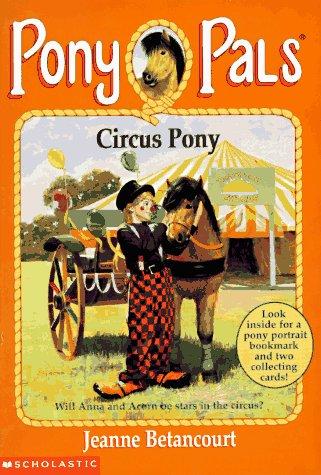
A parent might reach for this book when their child is curious about physical disabilities or needs help developing empathy for those who are different. The story follows Corey, a girl who forms a special bond with a pony named Angel after the pony goes blind. While others believe Angel is no longer useful, Corey is determined to prove them wrong, teaching the pony to navigate the world without sight. It's a heartwarming tale about resilience, friendship, and seeing the value in others beyond their limitations. Perfect for animal lovers aged 8 to 12, this book provides a gentle, hopeful entry point for conversations about disability, kindness, and not giving up on someone you care about.
Your experience helps other parents find the right book.
Sign in to write a reviewThe primary sensitive topic is physical disability (blindness). The book also touches on the potential euthanasia of an animal. The approach is direct and secular. It frames disability not as a tragedy, but as a challenge to be adapted to. The resolution is hopeful and empowering, as Corey's efforts succeed.
An 8 to 11 year old animal lover who is either grappling with the concept of disability (in themselves, a family member, or a friend) or who tends to be a "fixer" and would be inspired by a story of proactive problem solving and advocacy. Also good for a child who feels underestimated.
Parents should be prepared to discuss the concept of putting an animal down (euthanasia). The threat is real in the story, though it does not happen. It might be helpful to pre-read the early chapters where Angel's diagnosis and future are discussed to be ready for questions. The book can otherwise be read cold. The parent hears their child ask a pointed question about a person with a disability ("Why does he use that cane?") or make an insensitive comment out of ignorance. Or, the child expresses a feeling of being "broken" or "not good enough" because of a personal challenge.
A younger reader (8-9) will likely focus on the sweet girl and horse friendship and the simple "save the pony" plot. An older reader (10-12) will grasp the deeper themes of ableism, the ethics of animal care, and the social dynamics of proving someone's worth to a skeptical community.
Unlike many stories that focus on a human character with a disability, this book uses an animal's disability as a proxy. This distance can make the topic more accessible and less intimidating for young readers. It's a story of allyship and advocacy rather than a first person account of having a disability.
Corey, a young girl passionate about horses, is devastated when her favorite pony, Angel, loses her sight due to an illness. The ranch owner believes the pony should be put down. Corey refuses to give up on Angel. She works tirelessly to retrain the pony, teaching her to respond to new cues and navigate her world, proving that Angel's life still has value and purpose.
This overview was generated by AI based on the book's content and reviews, and may not capture every nuance.