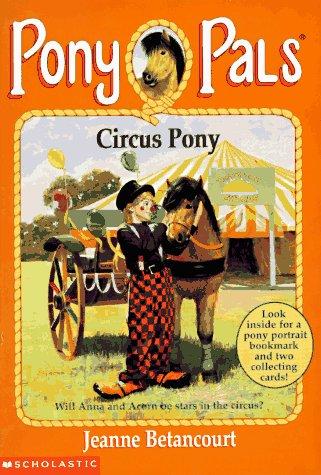
About This Book
A parent might reach for this book when their child is fixated on a big goal that seems unattainable and needs a gentle, encouraging story about perseverance. Western Pony is a classic tale for young animal lovers about a girl, fittingly named Pony, who dreams of owning a horse. Since her family cannot afford one, she takes a job at a stable, diligently mucking out stalls and saving every dollar to buy the Western pony of her dreams, Lucky. The story beautifully illustrates the value of hard work, responsibility, and the deep satisfaction of achieving something for yourself. Ideal for ages 8 to 12, it provides a powerful, yet simple, model for setting a goal and seeing it through, making it a perfect choice to inspire patience and determination.
What Parents Should Know
Sensitive Topics
The book's primary conflict is socioeconomic: the family's inability to afford a horse. This is handled in a very direct, matter-of-fact way, presented as a practical problem for the protagonist to solve rather than a source of shame or deep family distress. The approach is entirely secular, and the resolution is hopeful and earned through the protagonist's own efforts.
Ideal Reader
The ideal reader is an 8 to 10 year old animal lover who is beginning to grasp the concept of long-term goals. It's perfect for a child who is saving up for a big-ticket item, practicing a new skill, or needs a tangible example of how steady work pays off. It particularly resonates with children who enjoy realistic, character-driven stories.


Reviews
No reviews yet — be the first!
Your experience helps other parents find the right book.
Sign in to write a review