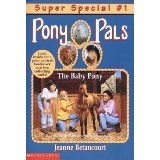
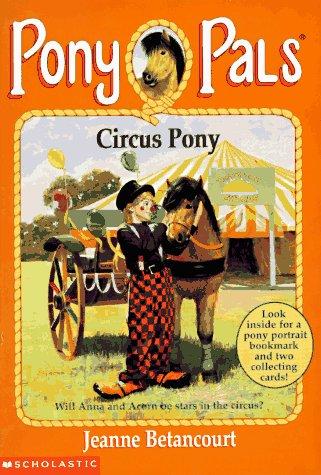
A parent might reach for this book when their child is grappling with a situation where love means letting go. It gently explores the complex idea that wanting something for yourself isn't always what's best for the one you love. The story follows sisters Pam and Annie, who discover a wild pony during their summer vacation. Their attempts to tame and care for 'Wild Thing' lead to a powerful lesson in empathy and responsibility. For children ages 7 to 10, this book is a poignant, realistic take on the classic 'girl and her horse' story. It provides a safe space to discuss bittersweet feelings and the maturity it takes to make a selfless, difficult choice.
The central theme is a form of loss and grief that comes from letting go of something you love. It is not a death, but an intentional separation for the good of the animal. The approach is direct, secular, and focused on empathy. The resolution is realistic and bittersweet: the girls feel sad about the loss but secure in the knowledge they did the right thing. It's a hopeful ending that affirms their maturity and kindness.
Your experience helps other parents find the right book.
Sign in to write a reviewThe ideal reader is an animal-loving child, 7 to 10 years old, who is developing a more complex sense of empathy. It's perfect for a child who has had to say goodbye to a pet, a friend who moved away, or is learning that you can't always have or control the things you love, even if your intentions are good.
The book can be read cold, but parents should be prepared for the ending. It is not a story where the girls 'get to keep the pony.' A parent should be ready to discuss why letting Wild Thing go was an act of love, not failure. Previewing the last few chapters can help a parent frame the conversation about this selfless choice. A parent has just seen their child get their heart set on something unattainable, like keeping a stray animal the family can't care for, or being sad that a butterfly from their kit has to be released. The child is struggling with the conflict between their desires and what's best for another living creature.
A younger reader (7-8) will connect with the adventure of finding a pony and the simple sadness of saying goodbye. An older reader (9-10) will be better able to grasp the moral complexity of the girls' decision, appreciating the theme of freedom versus possession and the maturity Pam shows in putting the pony's needs before her own wants.
Unlike many horse books that focus on ownership, training, and competition, this story champions the idea of wildness itself. Its unique contribution is its quiet, firm message that true love for an animal sometimes means respecting its nature and letting it be free. It values stewardship over ownership.
During a summer vacation on an island, sisters Pam and Annie discover a wild pony. They name her Wild Thing and secretly attempt to tame her, building a corral and bringing her food. As they get to know the pony, they realize she is not happy or healthy in captivity. Faced with a difficult choice, they decide that the kindest thing to do is to release her back into the wild, a bittersweet act of love.
This overview was generated by AI based on the book's content and reviews, and may not capture every nuance.