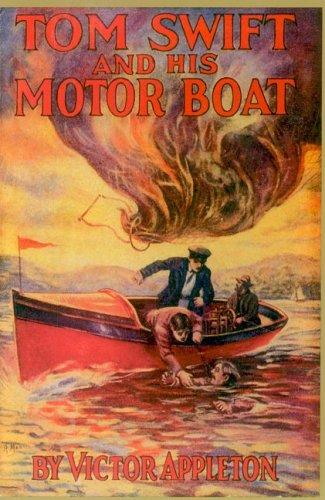
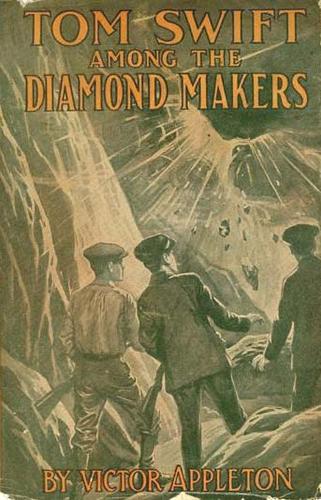
A parent might reach for this book when their child is constantly taking things apart to see how they work or is dreaming of building their own amazing machines. "Tom Swift and his Motor Cycle" introduces a brilliant young inventor who designs and constructs a groundbreaking vehicle. But his creation is just the beginning of the adventure, as he must use his wits and his new motorcycle to outsmart rivals, rescue a friend, and solve a mystery. The story champions curiosity, perseverance, and bravery, making it a great choice for kids who love action and invention. Written in 1910, its classic style offers a window into the past, celebrating a timeless spirit of innovation.
Fistfights and physical altercations occur but are not described in graphic detail.
Cultural Content GapModerate
The book's language, social attitudes, and technology reflect its 1910 origin.
Sensitive Topics
The book reflects the social norms of 1910. The most significant issue is the character of Eradicate Sampson, who is a harmful and racist caricature of a Black person, speaking in an exaggerated dialect and serving as comic relief. This requires parental context. Violence is limited to mild fistfights and peril (chases, threats) and is not graphically described. The resolution is straightforward and heroically triumphant.
Ideal Reader
An 8 to 12-year-old who is fascinated by mechanics, engineering, and invention. This reader enjoys clear good-versus-evil plots and is more interested in the function of the machines and the action of the story than in deep character psychology. They might be a fan of building kits, robotics, or DIY projects.
Parent Prep
Parents MUST preview the book to prepare for a discussion about the racist stereotypes present, particularly regarding the character Eradicate Sampson. This book cannot be read cold without addressing its historical context and explaining why such depictions are harmful and no longer acceptable. The entire portrayal, not a single scene, requires context. The parent notices their child sketching inventions, building complex creations with blocks, or asking detailed questions about how engines or electronics work. The child expresses a desire for stories about kids who build amazing things and have adventures.
Age Experience
A younger child (8-10) will primarily engage with the surface-level adventure: the fast motorcycle, the chase scenes, and the clear-cut heroism. An older reader (11-14) can better appreciate the technical descriptions of the inventions and is more equipped to have a nuanced conversation with a parent about the book's dated social attitudes and historical context.
What Makes It Special
Unlike modern STEM fiction that often emphasizes collaboration and realistic science, this book is a prime example of the early 20th-century "lone genius inventor" trope. Its primary differentiator is its historical value, offering a direct portal to the technological optimism and problematic social norms of its time. It is less a science lesson and more a celebration of the spirit of innovation.
Read plot summary
Young inventor Tom Swift develops a revolutionary, high-speed motorcycle. His plans become the target of a rival, Andy Foger, leading to attempts at sabotage and theft. Simultaneously, a friend's father is kidnapped by a local gang. Tom must use his new invention and his cleverness to outrace his rivals, track down the kidnappers in a thrilling chase, and successfully rescue the victim, proving the value of his creation and his own heroic character.
This overview was generated by AI based on the book's content and reviews, and may not capture every nuance.
Discussion Prompts
1
Tom keeps his invention a secret at first. Was that the right decision? When is it good to share your ideas, and when is it better to keep them private?
2
The bully, Andy Foger, tries to sabotage Tom. How does Tom handle this negativity and cheating? What are some other ways he could have responded?
3
Tom uses his motorcycle not just for fun, but to help rescue Mr. Sharp. If you could create an invention, what real-world problem would you want it to solve?
4
The way the book describes the character Eradicate Sampson is very different from how authors write about people today. Why do you think that is, and why is it important that we notice these differences in old books?