
About This Book
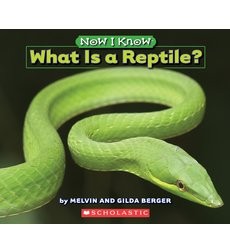
A parent might reach for this book when their child points to the sky and asks, "Is that a bird? What about that one?" This simple and beautifully illustrated guide addresses a child's natural curiosity about the world. It methodically answers the question "What is a bird?" by exploring their defining characteristics: they have feathers, wings, and beaks, and they lay eggs. The book uses a clear, repetitive structure to reinforce these concepts, making it perfect for young learners. It's an excellent choice for fostering a love of nature and introducing foundational scientific concepts in a way that feels like pure discovery.
What Parents Should Know
Sensitive Topics
None. This is a straightforward, secular, and factual science book for young children.
Ideal Reader
A 4 to 7-year-old who is a budding naturalist. This child loves pointing out animals in the backyard, is full of questions about the natural world, and is ready for simple, concrete definitions to help them categorize what they see. It's perfect for the child moving from "What's that?" to "Why is it like that?".
Parent Prep
No preparation is needed. The book is clear, self-contained, and can be read cold. A parent might want to be ready for a post-reading walk outside to go on a "bird hunt" and apply the book's four rules in the real world. A parent overhears their child confidently misidentify an animal, perhaps calling a bat or a butterfly a bird. Or the child asks a specific question that shows they are trying to form rules about categories, like "If chickens can't fly, are they still birds?".


Reviews
No reviews yet — be the first!
Your experience helps other parents find the right book.
Sign in to write a review


