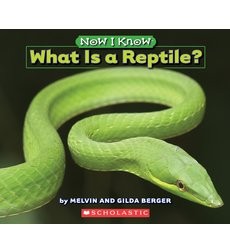
A parent should reach for this book when their child's backyard curiosity blossoms into a stream of questions like, 'Is a spider an insect? What about a worm?'. It is a perfect first step into scientific classification for young minds who love observing the tiny creatures around them. This book methodically answers the titular question using a simple, repetitive checklist: Does it have six legs? Three body parts? Two antennae? With crisp, up-close photographs and minimal text, it clearly distinguishes insects from other common 'bugs'. It empowers children with knowledge, turning simple wonder into a fun game of observation and identification. It's an ideal choice for pre-readers and early readers who are ready for concrete, factual information about the natural world.
None. The book is a straightforward, secular science text. Some children with entomophobia (fear of insects) might be uncomfortable with the large, close-up photographs, but the content itself is neutral and educational.
A 5- to 7-year-old who is constantly exploring the garden, flipping over rocks, and asking questions about what they find. This child enjoys sorting and categorizing and is ready to move from general wonder ('look, a bug!') to specific identification ('look, an insect with six legs!').
Your experience helps other parents find the right book.
Sign in to write a reviewNo preparation is needed. The book is simple and self-contained. The best follow-up is to take the book outside and immediately apply the checklist to creatures found in the yard or at a park. Having a magnifying glass on hand would enhance the experience. The child points at a spider and proudly proclaims, 'I found an insect!' The parent wants a resource that can gently and clearly correct this common misconception without just saying 'no, you're wrong.' They need a tool to explain the 'why'.
A 5-year-old will latch onto the most concrete rule, 'six legs', and enjoy the repetitive format and large photos. They will feel proud to be able to sort animals into 'insect' and 'not insect' piles. A 7- or 8-year-old will grasp the complete three-part definition and begin to use it more analytically. They might start asking follow-up questions about insect life cycles or why some insects have wings and others don't, indicating readiness for more complex books.
Unlike many general 'bug books' that are encyclopedic showcases of various insects, this book's unique strength is its singular focus on the *definition* of an insect. Its repetitive, checklist-style structure is a brilliant pedagogical tool for this age, making the scientific classification stick. The use of clean, high-quality photography against stark white backgrounds helps children focus on the anatomical details without distraction.
This non-fiction picture book uses a clear, Socratic method to define what an insect is. Each two-page spread introduces a small creature (like a spider, earthworm, or roly-poly) and asks a series of three questions: Does it have six legs? Does it have three body parts (head, thorax, abdomen)? Does it have two antennae? Through this process of elimination, supported by large, vivid photographs, the reader learns the specific criteria that define an insect, culminating in examples of creatures that fit all three rules, like ants and ladybugs.
This overview was generated by AI based on the book's content and reviews, and may not capture every nuance.