About This Book
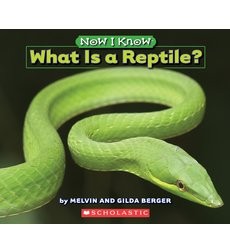
A parent might reach for this book when their child starts asking questions about lizards, snakes, or turtles after a visit to the zoo or a nature walk. This simple nonfiction book clearly answers the question in its title, defining reptiles by their key characteristics: scales, backbones, being cold-blooded, and laying eggs. It uses straightforward language and vibrant, full-page photographs to illustrate these concepts with examples like alligators, chameleons, and sea turtles. The book is excellent for fostering curiosity and building scientific vocabulary in children aged 5 to 8. It is a perfect choice for providing clear, factual answers that satisfy a child's wonder about the natural world without overwhelming them with detail.
What Parents Should Know
Sensitive Topics
None. The book is a direct, scientific explanation. It does not depict animals hunting, being hunted, or in any distress. The tone is purely educational and gentle.
Ideal Reader
The ideal reader is a 5 to 7-year-old who is beginning to notice and categorize the world around them. This is for the child who points at a lizard and asks, “What is that?” and is ready for an answer that goes beyond a simple name. It’s perfect for a child developing an interest in science and nature, who benefits from clear, visual, and uncluttered information.
Parent Prep
No preparation is needed. The book can be read cold. The text is self-explanatory, and the concepts are defined simply. A parent might want to preview the photos if their child is particularly sensitive to images of snakes or alligators, but the photography is high-quality and not menacing. The glossary is a helpful tool for reinforcement after reading. A parent will look for this book after their child asks a specific question like, “Is a frog a reptile?” or “Why is that turtle sitting on a log in the sun?” or “Do snakes have bones?” It’s triggered by the child's natural curiosity and the parent's desire for a simple, accurate, and age-appropriate resource.


Reviews
No reviews yet — be the first!
Your experience helps other parents find the right book.
Sign in to write a review


