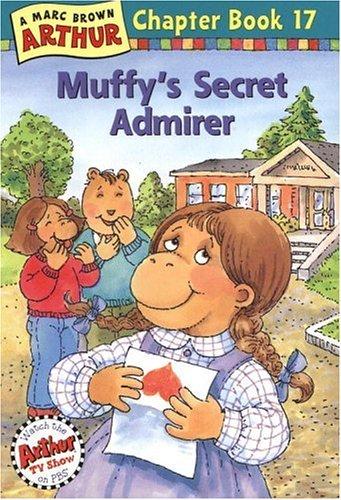
A parent might reach for this book when their child is fixated on winning a game or contest, and struggling with fairness or jealousy. Arthur is determined to win the Crunch Cereal jingle contest, but when he gets writer's block, he becomes jealous of his little sister D.W.'s seemingly effortless creativity. This early chapter book explores the internal conflict of wanting to win at all costs versus doing the right thing. For ages 6 to 9, it's a perfect conversation starter about integrity, resilience, and finding pride in your own honest effort, regardless of the outcome.
This book does not contain sensitive topics. The moral conflict (the temptation to cheat) is handled in a very gentle, age-appropriate manner with a clear and positive resolution.
Your experience helps other parents find the right book.
Sign in to write a reviewAn elementary school child (ages 6-8) who is beginning to engage in more formal competition (school contests, sports, board games) and is grappling with the big emotions of wanting to win, feeling jealous of others' successes, and understanding the concept of fair play.
No prep is needed. The story is straightforward and can be read cold. The relatable sibling dynamic and school-age problem provide an easy entry point for discussion without any required context setting. A parent has just seen their child get extremely upset after losing a game, heard them say "It's not fair!" when a sibling or friend succeeds, or noticed them trying to bend the rules to win. The child is equating their self-worth with winning.
A younger reader (age 6) will connect with the fun of the contest and the clear lesson that cheating is wrong. An older reader (ages 8-9) will better understand the more nuanced internal conflict: the feeling of creative jealousy, the pressure to succeed, and the concept of integrity as a source of self-esteem.
Unlike many books about sportsmanship that focus on athletic games, this story centers on a creative competition. This makes it particularly resonant for children who struggle with artistic or academic comparison. It uniquely uses the classic Arthur/D.W. sibling dynamic as the primary vehicle for exploring jealousy and integrity, which is highly relatable for kids with siblings.
Arthur is excited about the Crunch Cereal jingle contest and a chance to win a lifetime supply. He struggles with writer's block while his friends and family offer unhelpful suggestions. His frustration peaks when his little sister, D.W., effortlessly comes up with a catchy jingle. Arthur is tempted to steal her idea and submit it as his own. After a crisis of conscience, he decides to submit his own, less-perfect jingle, learning that honesty and personal effort are more important than winning.
This overview was generated by AI based on the book's content and reviews, and may not capture every nuance.