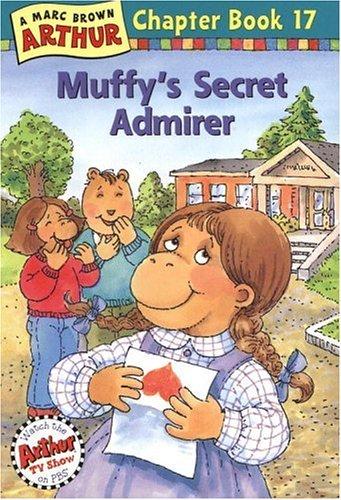
A parent might reach for this book when their child is feeling left out at recess or is anxious about not being 'good enough' at playground games. This story features Arthur and his friends navigating a common playground dilemma: what happens when one friend is a sports star and another is a total beginner? The book explores themes of patience, sportsmanship, and the importance of having fun over winning. For early elementary readers, it uses familiar characters to model empathy and creative problem-solving, making it a great choice for starting conversations about being a supportive and inclusive friend on the playground.
The core topic is social conflict and feelings of inadequacy, handled in a very gentle, direct, and age-appropriate way. The approach is secular and problem-solving focused. The resolution is entirely hopeful and reinforces positive social behaviors like empathy and inclusion.
A 6 to 8-year-old who is either an enthusiastic, competitive child who sometimes struggles with patience for less-skilled peers (a "Francine"), or a child who feels intimidated or left out during sports and recess because they are still learning (a "Binky").
Your experience helps other parents find the right book.
Sign in to write a reviewThis book can be read cold. The familiar Arthur characters and straightforward plot require no special preparation. Parents should be ready to talk about times they've felt like either Francine or Binky to help their child connect with the emotions. A parent hears their child complaining, "He keeps messing up the game, I don't want to play with him anymore," or sadly reporting, "Everyone gets mad at me at recess because I'm not good at sports."
A younger reader (6) will grasp the simple message: be a kind friend and include others. An older reader (8-9) can understand the more nuanced themes of sportsmanship, the difference between healthy competition and poor sportsmanship, and the empathy required to see a situation from multiple perspectives.
This book's strength is its dual perspective. Unlike many stories that focus only on the victim of exclusion, it gives weight to the competitive child's frustration (Francine's feelings are valid, even if her actions aren't kind). This makes it a uniquely effective tool for teaching empathy to skilled kids, not just for comforting less-skilled ones.
Francine, a skilled athlete, gets frustrated with her friend Binky Barnes, who is new to kickball and struggles with the rules. Francine's competitive nature and impatience make Binky feel discouraged and left out. Arthur observes the situation and gently intervenes, helping Francine see that being a good friend and teacher is more important than winning. They end up creating a new game together, leveling the playing field and reinforcing their friendship.
This overview was generated by AI based on the book's content and reviews, and may not capture every nuance.