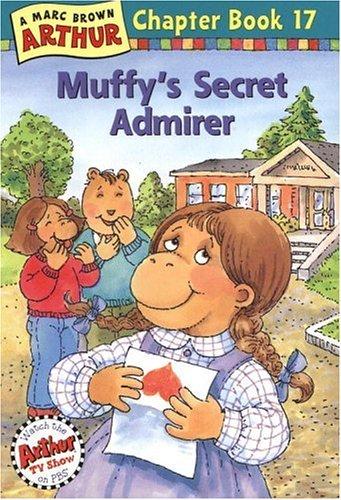
A parent might reach for this book when their child starts expressing anxiety about fitting in or being 'popular' at school. It's a gentle entry point into discussing the pressures of social hierarchies that emerge in early elementary grades. In the story, Arthur scores low on a magazine's popularity quiz and decides to change his appearance and interests to match the 'cool' kids, which ends up hurting his real friends. The book sensitively explores themes of self-worth, authenticity, and the value of true friendship. It's perfect for early chapter book readers, using a familiar and beloved character to make a potentially stressful topic feel safe and manageable.
The book directly addresses themes of peer pressure, social cliques, and the desire for social acceptance. The approach is secular and grounded in a realistic school environment. The resolution is entirely hopeful, reinforcing the pro-social message that being true to yourself is more valuable than conforming to arbitrary standards of 'coolness.' The story validates the hurt feelings on all sides but provides a clear path to reconciliation.
Your experience helps other parents find the right book.
Sign in to write a reviewThis book is for a 7 to 9-year-old who is just beginning to navigate complex social dynamics and might be internalizing messages about popularity. They may have come home sad after being excluded or started asking for specific clothes or items to fit in with a certain group.
The book can be read cold without any special preparation. However, a parent might want to be ready to discuss the absurdity of the magazine quiz and connect it to real-life social pressures. No specific scenes require previewing; the entire book is gentle and age-appropriate. A parent notices their child comparing themselves negatively to peers, saying things like "Everyone thinks he's cool and no one likes me," or suddenly disavowing a long-held interest because it's now deemed 'for babies' by their friends.
A younger reader (age 7) will connect with the concrete plot points: Arthur getting new glasses, his friends getting mad. The takeaway will be a simple, direct message: 'Be yourself.' An older reader (age 9-10) will grasp the more subtle social cues: the emotional manipulation of the 'cool' kids, Francine's legitimate feelings of betrayal, and the internal conflict Arthur experiences. They can engage in a more nuanced discussion about the meaning of friendship and social pressure.
Unlike many books on this topic, this one uses a tangible plot device, the 'popularity test,' which makes the abstract concept of social status concrete and easy for a child to understand. Using the well-established, relatable character of Arthur provides a safe and familiar entry point for a potentially distressing topic. It's less a cautionary tale and more a gentle, empathetic journey of self-discovery.
Arthur and his friends take a 'popularity test' from a teen magazine. When Arthur scores low, he decides to reinvent himself to be more like the popular kids. He gets trendy new glasses he can't see through, pretends to dislike his favorite TV show, and tries to join the 'cool' crowd at lunch. These actions alienate his best friends, Buster and Francine, who feel hurt and confused by his behavior. Ultimately, Arthur realizes that he is miserable trying to be someone he's not and that his true friends like him for who he is. He apologizes and they reconcile.
This overview was generated by AI based on the book's content and reviews, and may not capture every nuance.