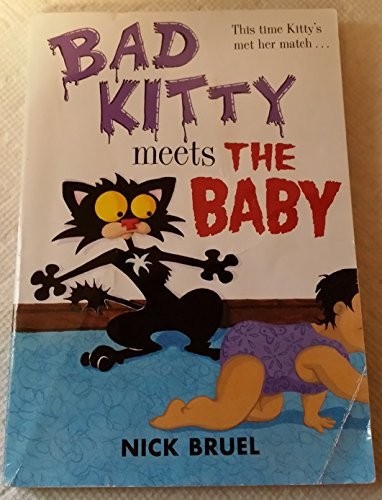
A parent should reach for this book when their child is asking for a phone or struggling to balance screen time with real life. The story follows the beloved Bad Kitty, who gets a smartphone and quickly becomes obsessed. She ignores her friends, gets into online spats, and chases viral video fame, leading to a falling out with her best friend, Puppy. This humorous graphic novel is perfect for ages 7 to 10. It uses comedy, not lectures, to open a family conversation about digital addiction, online etiquette, and the importance of real-world connections, making it a valuable tool for navigating today's tech-filled world.
Your experience helps other parents find the right book.
Sign in to write a reviewThe book touches on the theme of cyberbullying or online conflict in a very mild, age-appropriate way when Kitty engages in a “flame war.” The approach is secular and realistic, showing how easy it is to be unkind online. The resolution is hopeful, with Kitty learning from her mistake and prioritizing her real-life friendship.

This book is ideal for a 7 to 10-year-old who is either begging for their first phone or is already struggling to disengage from a personal device. It's perfect for the child who gets defensive when asked to put a screen away, providing a funny, non-threatening mirror to their own behavior.
A parent might want to preview the “flame war” section (pages 68-75) to be ready to discuss online meanness. The panels where Kitty completely ignores a sad Puppy (pages 54-57) are also powerful conversation starters. The book works well read cold, but its lessons are amplified by a gentle follow-up chat. A parent witnesses their child completely zoned out on a screen, ignoring direct questions or requests. Another trigger is the child becoming angry or sad when screen time ends, or mentioning a negative or confusing interaction they had with someone online.
A younger reader (age 7) will primarily engage with the slapstick humor and Kitty's exaggerated antics. An older reader (age 9-10) will better understand the satire of social media culture, viral fame, and the nuances of digital citizenship. They are more likely to connect Kitty’s behavior to their own experiences with technology and peer groups.
This book's key differentiator is its use of a popular, flawed character and genuine humor to address the serious topic of screen addiction. Unlike preachy nonfiction guides, it embeds its message within an entertaining graphic novel story. The inclusion of factual, funny interludes about technology also makes complex STEM concepts feel accessible and fun.
Bad Kitty is gifted a smartphone and spirals into total obsession. She ignores her friend Puppy, gets into an online “flame war,” and dedicates her life to creating the next viral cat video. Her single-minded focus on the device leads to a significant conflict with Puppy, who feels neglected and sad. Ultimately, Kitty realizes the negative impact of her behavior and must learn to use her technology in a way that enhances her relationships rather than replacing them. The narrative is interspersed with educational and funny “Uncle Murray’s Fun Facts” segments that explain concepts like coding, the internet, and how phones work.
This overview was generated by AI based on the book's content and reviews, and may not capture every nuance.