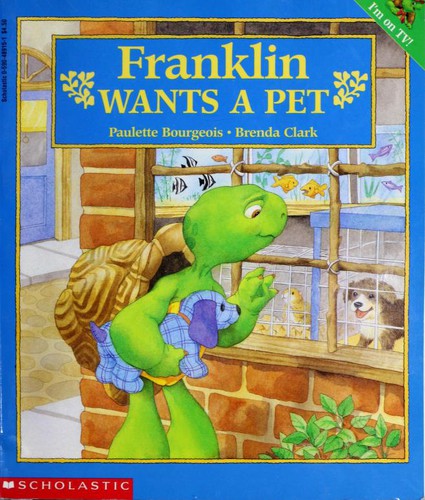
A parent should reach for this book when their child is persistently asking for a pet. It's the perfect tool for gently introducing the concept of responsibility. The story follows Franklin the turtle, who desperately wants a pet but is told by his parents that he isn't ready for the job. To prove them wrong, he begins to care for his stuffed dog with impressive diligence. This classic Franklin tale explores themes of patience, perseverance, and what it truly means to be a caregiver. For ages 3 to 6, it provides a wonderful, non-preachy way to open a conversation about the work involved in pet ownership, modeling a proactive way for a child to demonstrate their readiness.
None. The book's approach is direct, secular, and gentle. The conflict (wanting a pet vs. not being allowed) is low-stakes and common. The resolution is both hopeful and realistic, managing a child's expectations by resulting in a small, manageable pet rather than a large one.
A 4- or 5-year-old who is in the midst of a "can we get a puppy?" phase. This book is for the child who needs help understanding the parental perspective on responsibility and for the parent who wants a narrative tool to explain it. It helps bridge the gap between a child's desire and their understanding of the work involved.
Your experience helps other parents find the right book.
Sign in to write a reviewThis book can be read cold without any preparation. The message is self-contained and clear. Parents should be prepared for their child to potentially start a similar "responsibility project" after reading and should think about how they will respond to that. The parent has just heard "I want a puppy!" for the tenth time today. They are looking for a story that reinforces their message about responsibility without simply being a book about the word "no."
A 3-year-old will enjoy the simple plot and the familiar, comforting character of Franklin. They will grasp the basic cause-and-effect of his actions. An older child (5-6) will better understand the abstract concept of demonstrating responsibility and the virtue of patience. They can connect Franklin's pretend-play to the real tasks of pet ownership.
While many books focus on the joy of getting a pet, this story's unique strength is its focus on the *process of becoming ready* for one. It validates the child's desire while centering the narrative on their personal growth and maturation. The choice of a goldfish as the final pet is a grounded, realistic outcome that sets it apart from more fantastical pet stories.
Franklin the turtle is sad because all his friends have pets and he doesn't. When he asks his parents, they tell him he isn't responsible enough yet. Determined to prove them wrong, Franklin decides to treat his stuffed dog, Goldie, like a real pet. He takes Goldie on walks, pretends to feed her, and even cleans up her imaginary messes. His parents observe his consistent effort and dedication. Convinced by his new maturity, they take him to the pet store where he responsibly chooses a goldfish, a perfect first pet he can care for himself.
This overview was generated by AI based on the book's content and reviews, and may not capture every nuance.