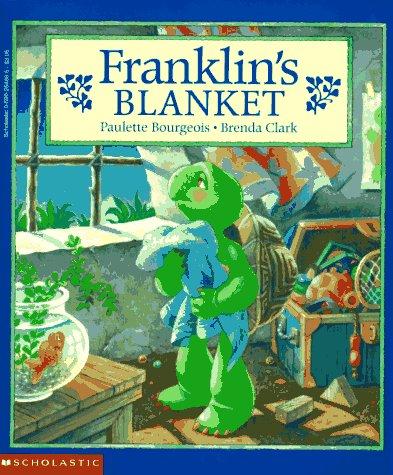
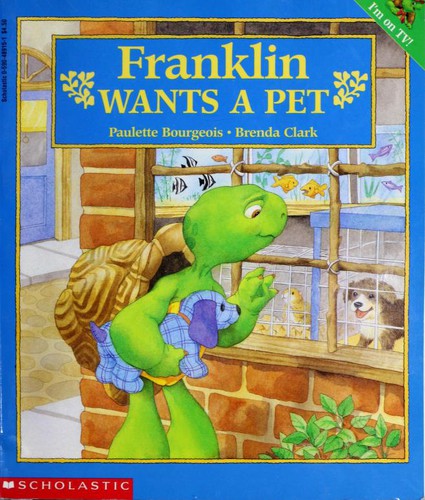
A parent should reach for this book when their child begins to express anxiety about getting lost or being separated. It’s a gentle and proactive tool for discussing a common childhood fear. The story follows Franklin the turtle, who gets lost in the woods while playing hide-and-seek. He feels scared and alone, but he remembers his parents' practical advice: if you are lost, stay in one spot. This book beautifully validates a child's fear and anxiety while empowering them with a simple, memorable safety strategy. For ages 3 to 6, its calm tone and reassuring resolution make it a perfect choice for normalizing worries and building a child's confidence for navigating the world.
Your experience helps other parents find the right book.
Sign in to write a reviewThe core topic is separation anxiety and the fear of being lost. The book handles this through a gentle, metaphorical animal story, which makes the scary feelings manageable for young children. The approach is entirely secular, focusing on a practical, non-religious solution. The resolution is completely hopeful and provides immense comfort.
A 4 or 5-year-old who is starting to have more independence (e.g., at a larger playground, a friend's house, or starting preschool) and has voiced the question, “What if I get lost?” It is perfect for a slightly anxious child who benefits from clear, concrete plans.
This book can be read cold. The illustrations of the dark woods are soft and not overly frightening, but a parent of a highly sensitive child may wish to preview them. The main preparation is for the parent to be ready to connect Franklin’s “stay in your shell” rule to their own family's real-world safety plan. The parent has just witnessed their child cling to them in a crowded store, or the child has verbally expressed a fear of being left behind or getting lost on an upcoming trip or field trip.
A 3-year-old will connect with the basic emotions (sad, then happy) and the simple, comforting resolution. A 5-year-old will better understand Franklin’s internal struggle to be brave and can more actively participate in a conversation about creating their own “what to do if I’m lost” plan.
Many “getting lost” stories focus on the child actively finding their way back. This book's unique strength is its advocacy for a passive, safe strategy: stay put. The “stay in your shell” metaphor is a genius, sticky concept for young children, giving them a physical action to associate with the safety rule. It prioritizes being found over heroic searching, which is a much safer message for this age group.
Franklin the turtle loves playing hide-and-seek with his friends, but one day he wanders too far into the forest and realizes he is lost. He experiences a wave of fear, sadness, and loneliness as darkness begins to fall. Recalling his parents' instruction to “stay in your shell” if he ever gets lost, he curls up and waits. His worried parents eventually find him, leading to a warm and reassuring family reunion.
This overview was generated by AI based on the book's content and reviews, and may not capture every nuance.