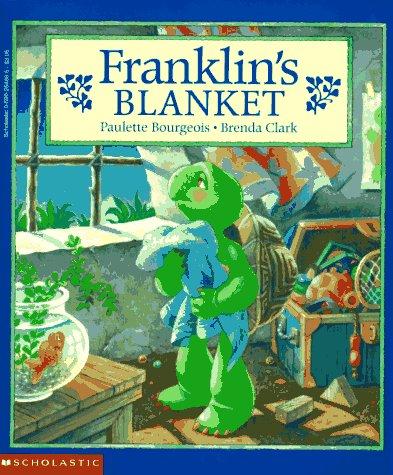
A parent should reach for this book when their child is swept up in the excitement of receiving presents and needs a gentle introduction to the joy of giving. This story follows the beloved character Franklin the turtle as he prepares for Christmas. While excited about his own gifts, his class organizes a toy drive for the local hospital. Franklin grapples with the difficult decision of whether to donate his own brand new, special toy. The book beautifully explores empathy and generosity, validating a child's attachment to their things while modeling the rewarding feeling that comes from a thoughtful act of kindness. It's a perfect, gentle story for preschoolers learning about the true spirit of the holidays.
The book mentions that the toys are for sick children in the hospital. This is handled very gently and in a matter-of-fact way, focusing on the act of cheering them up rather than the reality of their illness. The approach is secular, centering on community kindness and the spirit of giving during the Christmas season. The resolution is entirely positive and heartwarming.
Your experience helps other parents find the right book.
Sign in to write a reviewA 4 or 5-year-old who is hyper-focused on their Christmas list and what they are going to get. This child might be showing possessiveness over their belongings and struggling to understand why they should give something of their own away. The book is perfect for a child who needs to see the emotional reward of generosity modeled by a familiar character.
This book can be read cold without any preparation. It’s very straightforward. A parent might want to preview the page where Franklin considers giving away a broken toy, as it's a great opportunity to discuss why we should give our best to others. Connecting the story to a real-life family tradition of giving (donating toys, helping a neighbor) can make the lesson more concrete. A parent has just heard their child say, "But I don't want to give any of my toys away!" during a conversation about a holiday toy drive. Or, the parent notices their child's holiday focus is entirely on receiving gifts, and they want to gently shift the perspective.
A 3-year-old will connect with Franklin, the Christmas theme, and the simple, happy ending of doing something nice. A 5 or 6-year-old will grasp the nuance of Franklin's internal conflict. They can identify with the feeling of not wanting to part with a special toy and will therefore better appreciate the significance of his final, generous choice.
Many books about giving present it as a simple, easy choice. This book's strength lies in its validation of the child's struggle. It acknowledges that it can be hard to give something precious away. By showing Franklin's internal debate, the story makes his eventual act of generosity feel more authentic and emotionally resonant for a young child experiencing the same conflict.
Franklin is thrilled about Christmas and his new toy spaceman. His class is doing two holiday activities: a secret gift exchange and a toy drive for the children's hospital. Franklin struggles with both. He has a hard time finding the right gift for his friend Bear, and he has an even harder time choosing one of his own toys to donate. He considers giving an old, broken toy, but his conscience bothers him. Ultimately, in a moment of genuine empathy, he decides to donate his prized new spaceman, discovering that the act of giving brings its own special joy.
This overview was generated by AI based on the book's content and reviews, and may not capture every nuance.