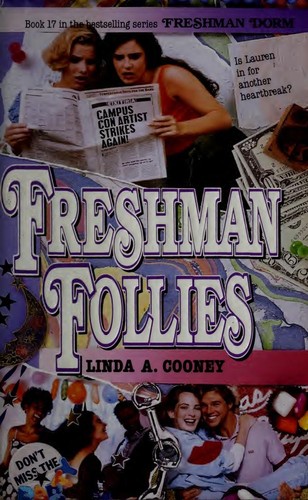
A parent might reach for this book when their teen is navigating the start of high school and feeling insecure or jealous as old friendships begin to change. Freshman Feud follows best friends Phoebe and Glory, who were inseparable before high school. Once they arrive, Glory finds instant popularity as a cheerleader, while Phoebe struggles to find her place. A school newspaper contest pits the two against each other, turning their friendship into a bitter rivalry. This story explores jealousy, loyalty, and the search for identity amid social pressure. Appropriate for ages 13-16, it’s a classic, gentle take on timeless high school drama that can open conversations about navigating shifting friendships and competition.
Published in 1992. The lack of cell phones and social media feels dated but doesn't harm the core story.
Sensitive Topics
The main sensitive topic is relational aggression and the emotional pain of social exclusion and jealousy. The approach is direct and secular. The conflict is portrayed as deeply hurtful to both girls. The resolution is hopeful, as the friends reconcile after realizing the contest has manipulated them, but it is also realistic, acknowledging that their friendship has irrevocably changed and will need to be rebuilt on a new, more mature foundation.
Ideal Reader
A 13 or 14-year-old who is starting high school and feels overshadowed by a friend who seems to be adapting more easily. This book is for the teen who feels their friendships are changing beyond their control and is struggling with feelings of jealousy, resentment, and a fear of being left behind.
Parent Prep
This book is a very safe read and can be given to a teen without much prep. A parent might want to mention that it was written in the early 90s, so there are no cell phones or social media, which makes the drama feel a bit different from today. The core emotional conflicts, however, are timeless. No specific scenes require previewing. A parent hears their child say, "Everyone likes her more than me now," or sees their teen withdrawing from a once-inseparable best friend. The child might be showing signs of social anxiety or comparing themselves negatively to peers after starting a new school.
Age Experience
A 13-year-old will likely get caught up in the plot, taking sides and relating directly to Phoebe's feelings of being left out or Glory's excitement. A 15 or 16-year-old will likely view it with a bit more distance, appreciating the classic tropes and analyzing the characters' motivations with more nuance. They may find the drama a bit low-stakes compared to contemporary YA but will recognize the core emotional truths about friendship and identity.
What Makes It Special
Its pre-internet, pre-social media 1990s setting is its key differentiator. The conflict plays out through notes, whispers in the hall, and a school newspaper, not through viral posts or text chains. This provides a simpler, less overwhelming framework to discuss the fundamental themes of jealousy, peer pressure, and friendship dynamics without the complex layer of modern technology.
Read plot summary
Best friends Phoebe and Glory move from a small middle school to a large regional high school, promising to conquer it together. Glory, outgoing and athletic, quickly becomes a popular cheerleader. Phoebe, more introverted and academic, feels left behind and invisible. Their growing distance is amplified when the school newspaper starts a "Freshman Feud" contest, officially pitting the two girls against each other for the title of outstanding freshman. The competition escalates their jealousy and misunderstandings, forcing them to navigate new social groups, crushes, and the painful reality that their friendship is on the brink of collapse.
This overview was generated by AI based on the book's content and reviews, and may not capture every nuance.
Discussion Prompts
1
The school newspaper's "Freshman Feud" contest made the rivalry between Phoebe and Glory public. Do you think this was a harmless idea for a story, or was it a form of bullying? How would a contest like this be different today with social media?
2
Phoebe feels jealous and left behind when Glory becomes a popular cheerleader. At what specific moments did you sympathize with Phoebe the most? Were there times you felt she was being unfair to Glory?
3
Glory gets swept up in her new life and doesn't seem to notice how much Phoebe is struggling. Do you think Glory was being a bad friend, or just a normal teenager excited about high school? What could she have done differently?
4
Near the end, Phoebe and Glory finally talk honestly about their feelings. What do you think was the most important thing each of them said or realized in that conversation?
5
Do you think Phoebe and Glory's friendship can go back to the way it was before high school? Why or why not? How do you think their friendship will be different moving forward?