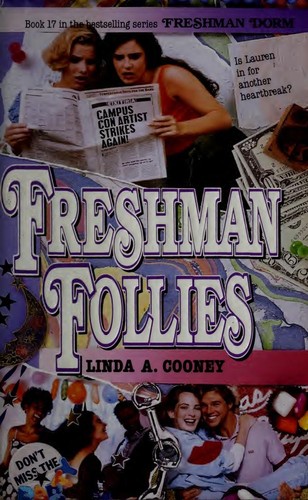
For young adults entering high school, this book navigates the excitement and challenges of new rivalries, friendships, and discovering who you are in a competitive environment.
A parent might reach for this book when their teen is navigating the intense social pressures and rivalries of starting high school. "Freshman Rivals" explores the story of best friends whose relationship is tested by competition when they try out for the cheerleading squad at their exclusive new school. The book delves into powerful feelings of jealousy, the struggle for self-confidence, and the pain of feeling left behind. Appropriate for ages 12-17, it's a great choice for normalizing the complicated emotions that arise when friendships shift and for starting conversations about finding your own identity outside of social cliques.
Published in 1991, it contains dated technology, fashion, and social references.
Sensitive Topics
The book deals directly with themes of social exclusion, bullying (mostly in the form of gossip and ostracism), and intense jealousy between friends. The approach is secular and character-driven. The resolution is hopeful, as the main characters begin to repair their friendship and realize that their individual worth is not tied to their social status or extracurricular success.
Ideal Reader
A 13 or 14 year old who has just started high school and is feeling overwhelmed by new social hierarchies. This reader may be struggling with a friendship that is changing due to new interests or friend groups, and is feeling a mix of jealousy and loss.
Parent Prep
No specific pages require previewing. The content is very tame by modern standards. A parent might want to be prepared to discuss the early 1990s setting (no cell phones, different social norms) which could feel dated to a contemporary teen. This can be a fun point of comparison for how friendship challenges have and have not changed. A parent overhears their child saying, "My best friend is ignoring me now that she's popular," or witnesses their child becoming fixated on comparing their own life and successes to those of a close friend.
Age Experience
A younger reader (12-13) will likely focus on the drama, the romance, and the injustice of the social situations. An older reader (14-16) is more likely to identify with Phoebe's internal struggle for identity and appreciate the nuances of how competition can poison a friendship. They may find the plot somewhat predictable but relatable.
What Makes It Special
Among the vast number of books about high school friendship, this one stands out for its focused, low-stakes exploration of a single, powerful dynamic: a friendship fracture caused by competitive success. Its earnest, pre-internet-era tone provides a nostalgic and straightforward look at teen social dynamics without the complexities of social media, making the core emotional conflict very clear.
Read plot summary
Best friends Phoebe and Ginny start their freshman year at the prestigious and competitive Ardsley Hall. Their lifelong bond is immediately tested when they both try out for the varsity cheerleading squad. Ginny, the more outgoing of the two, makes the team, while shy Phoebe is cut. Ginny is quickly absorbed into the popular clique, leaving Phoebe feeling isolated and intensely jealous. The story follows Phoebe's struggle to forge a new identity, make different friends, and navigate a budding romance, all while her relationship with Ginny deteriorates into a bitter rivalry.
This overview was generated by AI based on the book's content and reviews, and may not capture every nuance.
Discussion Prompts
1
When Ginny makes the cheerleading squad, she starts acting differently towards Phoebe. Do you think popularity changed her, or was she just showing a side of herself that was always there?
2
Phoebe feels intense jealousy about Ginny's success. In what ways did her jealousy help her grow, and in what ways did it cause problems for her and her relationships?
3
At Ardsley Hall, social status seems tied to being a cheerleader. What activities or groups give students status at your school? Do you think this is fair?
4
Phoebe eventually starts to build her own identity apart from Ginny. What was the most important step she took to gain her own confidence?
5
If you were friends with both Phoebe and Ginny at the beginning of the book, what advice would you have given them to help them avoid becoming rivals?