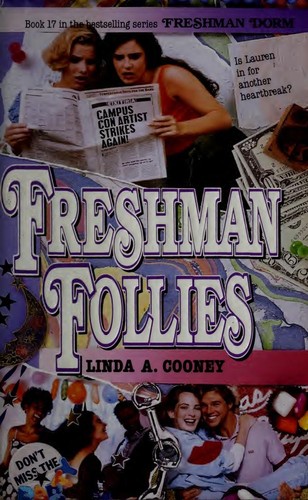
A parent might reach for this book when their teen is starting high school and seems overly anxious about fitting in, perhaps even bending the truth to make a good impression. "Freshman Lies" follows Cameron, a girl who reinvents herself at a new school by creating a web of lies about her family and background to join the popular crowd. The story is a classic cautionary tale that directly explores the stress of maintaining a false identity and the value of true friendship. This book from 1990 offers a straightforward look at themes of honesty, self-confidence, and peer pressure, free from the complexities of modern social media. It serves as an excellent, gentle conversation starter for teens aged 13 to 15 about the importance of being yourself and the realization that the people who matter will like you for who you are, not for who you pretend to be.
Your experience helps other parents find the right book.
Sign in to write a reviewStory includes crushes, dating, and a few light kissing scenes.
Vague references to underage drinking at a high school party.
The core topic is identity and deception. The book's approach is direct and psychological. Cameron's internal monologue is filled with guilt and anxiety over her lies. There is no religious or metaphorical lens. The resolution is hopeful and realistic for the genre: Cameron is eventually found out, but she learns a valuable lesson about self-acceptance and finds that true friends will accept her for who she is.
A 13 or 14-year-old who is just starting high school and is highly sensitive to social hierarchies. This reader is likely feeling pressure to fit in, worried they are not 'cool' enough, and might be tempted to embellish their own life to impress new friends.
The book can be read cold. The 1990s setting (no cell phones or social media) is a key feature but doesn't require extensive explanation, as the core emotional struggles are timeless. A parent should be prepared to discuss the motivations behind lying and the difference between a small fib and a pattern of deception that hurts oneself and others. A parent notices their teen, who is starting a new school or friend group, is suddenly obsessed with status, name brands, or seems to be telling small lies to make themselves sound more interesting. The parent might also observe that their child is more anxious or secretive than usual.
A younger teen (13-14) will connect with the high-stakes drama of getting caught and the romance. They will see it as a clear cautionary tale about lying. An older teen (15-16) may view the plot as a bit predictable but can appreciate the psychological stress Cameron endures. They are more likely to analyze the social dynamics and motivations of the popular crowd with a more critical eye.
Compared to contemporary YA novels, its 1990s setting is a key differentiator. The conflict and tension are entirely analog, driven by face-to-face interactions, landline phone calls, and the physical risk of being seen somewhere you shouldn't be. This provides a simpler, more direct exploration of the 'lying to be popular' trope without the modern-day complication of social media.
Fourteen-year-old Cameron, insecure about her nerdy past, moves to a new town in California determined to be popular. She fabricates a new, glamorous identity for herself, claiming her father is a famous rock music promoter. This lie grants her entry into the popular clique, led by queen bee Dana. Cameron must constantly navigate her increasingly complex web of lies, balancing her new friendships and a budding romance with a boy named Zach, all while under the constant, stressful threat of her true, ordinary life being exposed.
This overview was generated by AI based on the book's content and reviews, and may not capture every nuance.