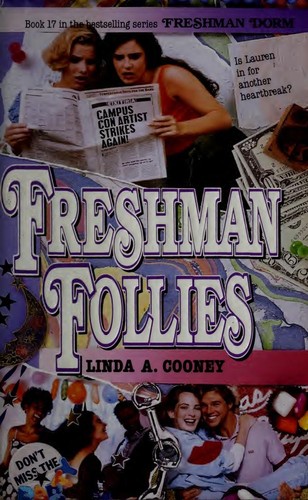
For teens navigating the whirlwind of new friendships and challenges during their first year of high school, this story captures the excitement and anxieties of growing up.
Reach for this book when your teen is navigating the social minefield of high school for the first time and feels like their friendships are changing. Freshman Holiday follows three friends, Faith, Winnie, and KC, as they face the pressures of new crushes, popularity, and family expectations during their first winter break. The story gently explores timeless themes of identity, belonging, peer pressure, and loyalty. Appropriate for ages 14 and up, this book is a comforting reminder that the anxieties of growing up are normal and survivable, offering a nostalgic, low stakes alternative to more intense contemporary teen fiction.
The 1993 setting includes dated technology (no cell phones), fashion, and slang.
Sensitive Topics
The book deals directly with socioeconomic differences, peer pressure, loneliness, and the anxieties of first romance. The approach is secular and character driven, focusing on the internal emotional experience of the teens. The conflicts are resolved with hopeful and realistic outcomes for this genre: characters learn valuable lessons about themselves and their friendships, but not all problems are perfectly solved. The overall tone is reassuring.
Ideal Reader
A 14 or 15 year old who has just started high school and feels overwhelmed by the social changes. This reader may feel like their old friend group is drifting apart, worry they don't fit in with new crowds, or feel anxious about social events like school dances.
Parent Prep
No specific preparation is needed; the book can be read cold. Parents may find it helpful to know the book was written in 1993, so the absence of cell phones and social media is a key feature of the social dynamic. This can be a great point of conversation about how technology has changed (or not changed) the core challenges of being a teen. A parent overhears their teen saying things like, "My friends are all changing," "I don't belong anywhere," or "Everyone at school is different now." The parent may notice their teen seems more withdrawn or worried about their social life since starting the new school year.
Age Experience
A younger teen (14) will see their current anxieties reflected directly on the page, finding comfort and normalization in the characters' experiences. An older teen (16-17) will likely read this as a light, nostalgic comfort read. They can appreciate the friendship dynamics with more perspective, recognizing the drama as a familiar and formative part of growing up.
What Makes It Special
Among contemporary YA books, its 1990s, pre-internet setting is a key differentiator. It offers a refreshingly gentle and low stakes exploration of timeless teen social issues, free from the pressures of social media. The focus remains squarely on face to face interactions and internal emotional growth, making it a quiet and reassuring read.
Read plot summary
Three best friends, Faith, Winnie, and KC, are navigating the social complexities of their first year of high school. The story is set during their first winter break, a time that highlights the ways they are beginning to grow apart. Faith develops a crush on an older boy and feels insecure about her family's financial situation compared to her friends. Winnie gets caught up with the popular crowd and a new potential romance, testing her loyalty to her old friends and long distance boyfriend. KC feels left out and worries about her family's problems. Their individual challenges create tension that threatens to break their bond.
This overview was generated by AI based on the book's content and reviews, and may not capture every nuance.
Discussion Prompts
1
Faith feels like a 'charity case' and is embarrassed by her family's financial situation around her friends. Why do you think it's so hard for her to accept help, and what makes talking about money with friends so awkward?
2
Winnie is torn between her old friends and the new, popular crowd. Do you think she was being a bad friend, or was she just trying to figure out who she wanted to be? What would you have done?
3
The story is set before cell phones and social media. How do you think the conflicts between Faith, Winnie, and KC would have been different if they could text each other or see each other's lives on Instagram?
4
At the end of the holiday break, the friends come back together. What specific actions or conversations do you think were most important for repairing their friendship?