Guides
Advice, activities, and research for parents and teachers on raising readers.
Every CASEL competency. Every grade band. The picture books that do the teaching for you.
Fifty picture books that earn their place in a kindergarten classroom. organized by when you need them and what they do.
The last week of school needs books that acknowledge what's ending without rushing past the feeling. These do that.
The first five minutes set the tone for the next six hours. These books do the setting.
Different grades, different needs, different books. Here's what works in the room. not what looks good on a list.
The best writing instruction starts with a book so well-written that kids want to try it themselves. These are those books.
You walked into a room full of strangers who are testing you. You have six hours. These books buy you the first twenty minutes.
You have $200 and an empty bookshelf. Here's how to stock it with books that actually get read.
Eight picture books that earn their spot in a classroom library because they do real work, day after day.
High-interest, low-barrier books that turn "I hate reading" into "one more chapter."
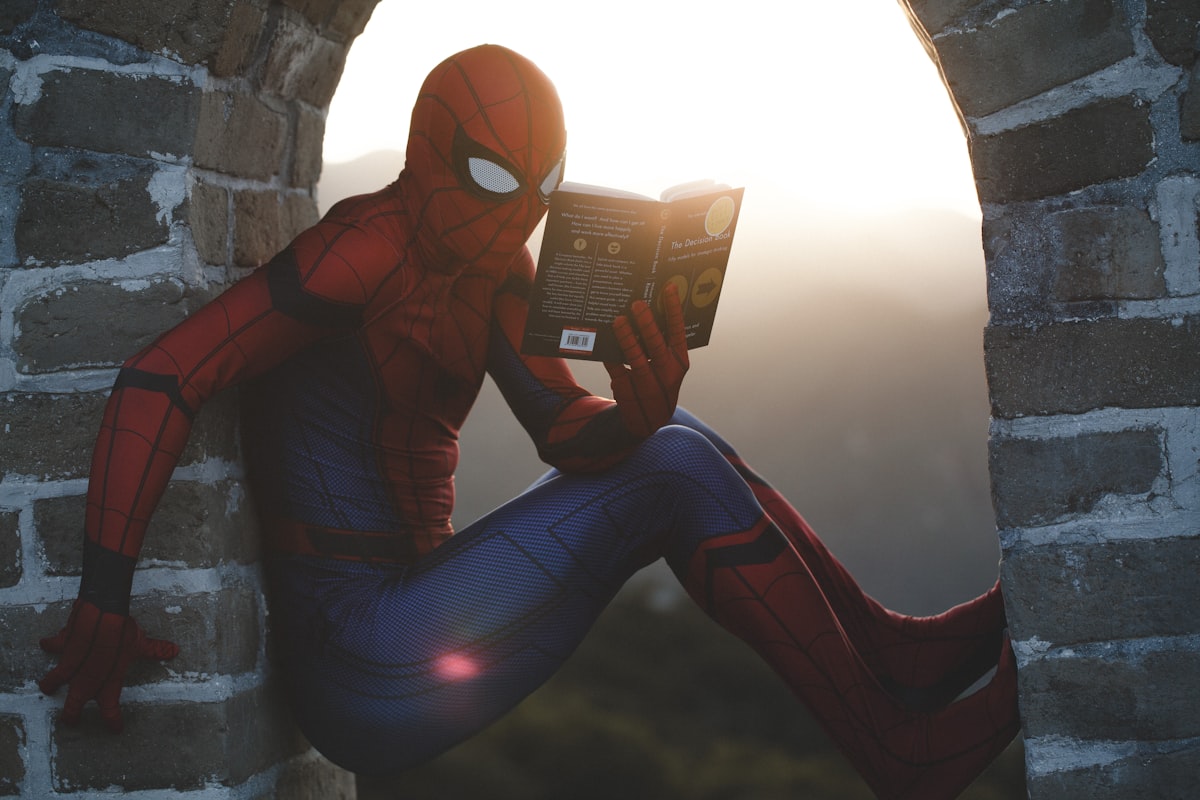
Invite guest readers to read aloud to your class, but they're in disguise. The principal in a funny hat. A parent in sunglasses. The custodian behind a cardboar…
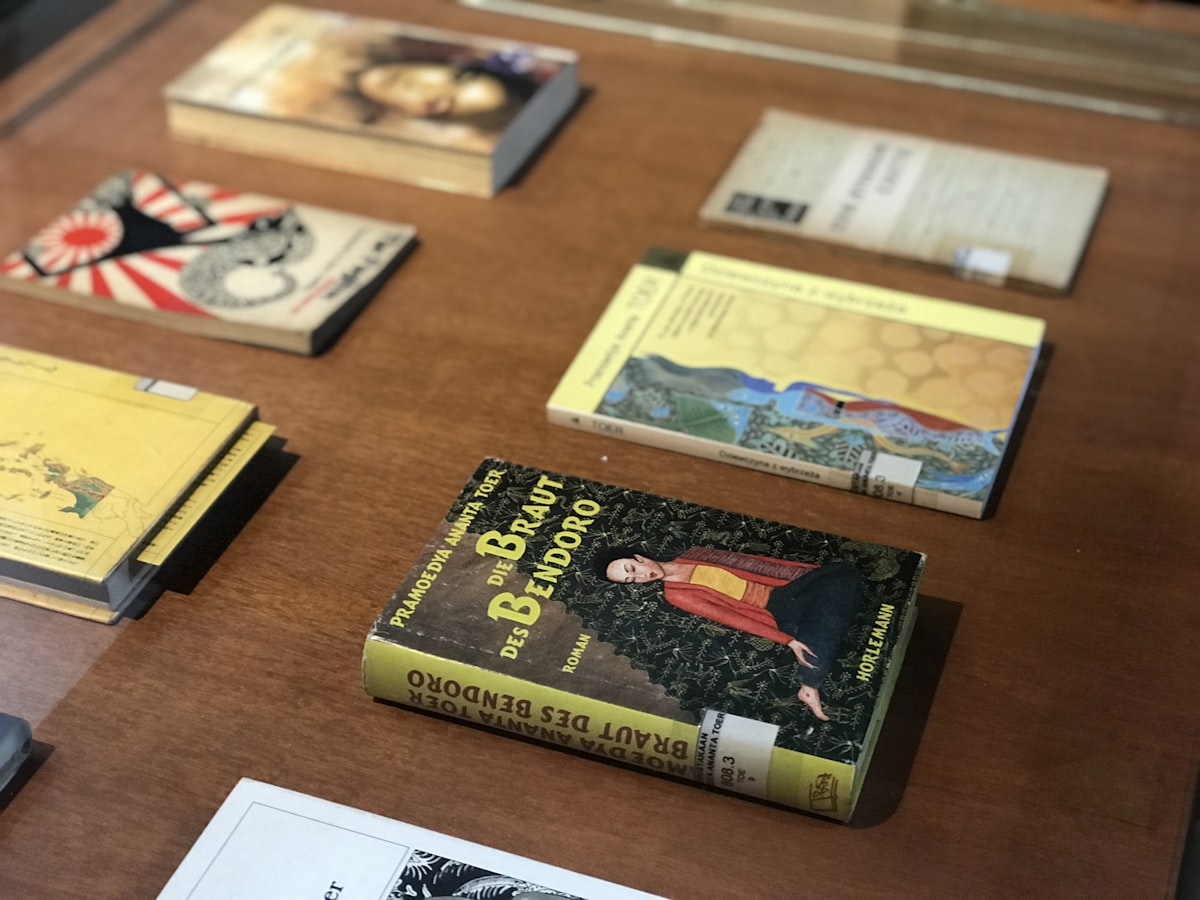
Set up tables around the room like a restaurant. Each table has 4-5 books, a "menu" describing the genre and reading level, and a "tasting card" where students …

Each student gets 60 seconds to pitch a book they've read to the class. Timer visible. No notes. Just: "This book is about ___, I liked it because ___, you shou…
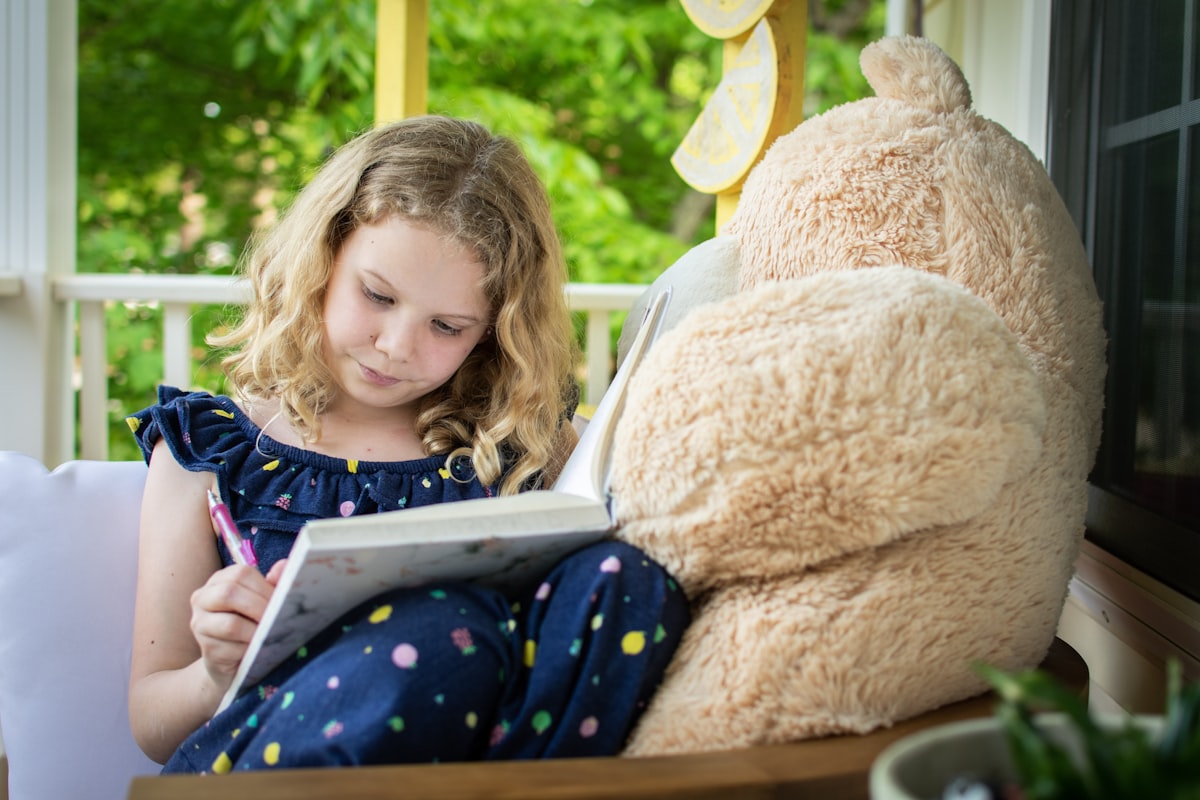
Take a photocopied page from an old book, a newspaper, or a printed article. Give each student a marker. Their job: black out all the words except the ones that…
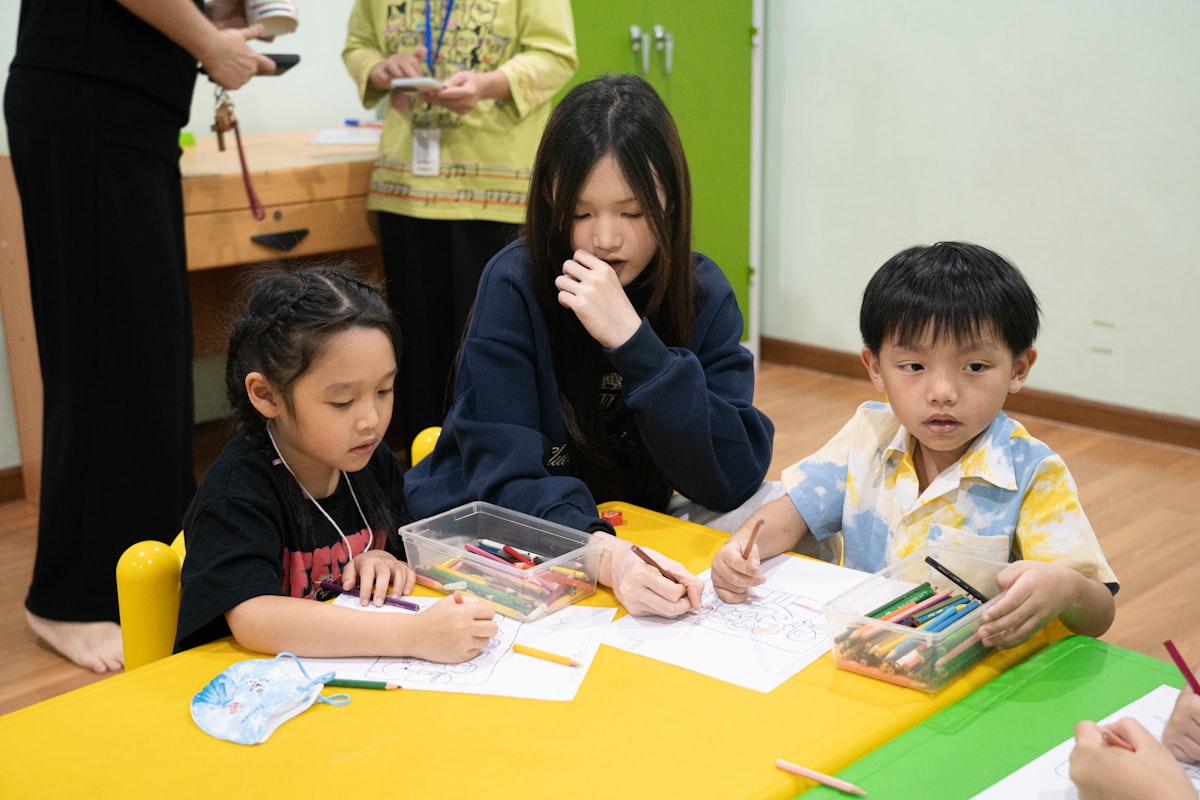
Take a picture book or a chapter from a novel and assign each character's dialogue to a different student. No memorization, no costumes, no stage, just kids rea…
Each week, a parent, guardian, or community member is invited to read aloud to the class, but their identity is kept secret until they walk through the door. Dr…

Students create a 30-60 second "commercial" for a book they've read. They can film it on a tablet, perform it live, or create a poster ad. The commercial has to…
Cover a section of wall (or a large piece of butcher paper) with the prompt: "I just read ___ and I think ___." Give students markers and let them add to the wa…

Track your class's reading on a world map. Every time a student reads a book set in a different country or featuring characters from a different culture, they a…
March Madness, but for books. Create a bracket of 16 books. Students read excerpts from each matchup, discuss, and vote. Books advance. The final four generates…
After finishing a book, each student writes one word on an index card and posts it on the board under the book's title. That's it. One word.
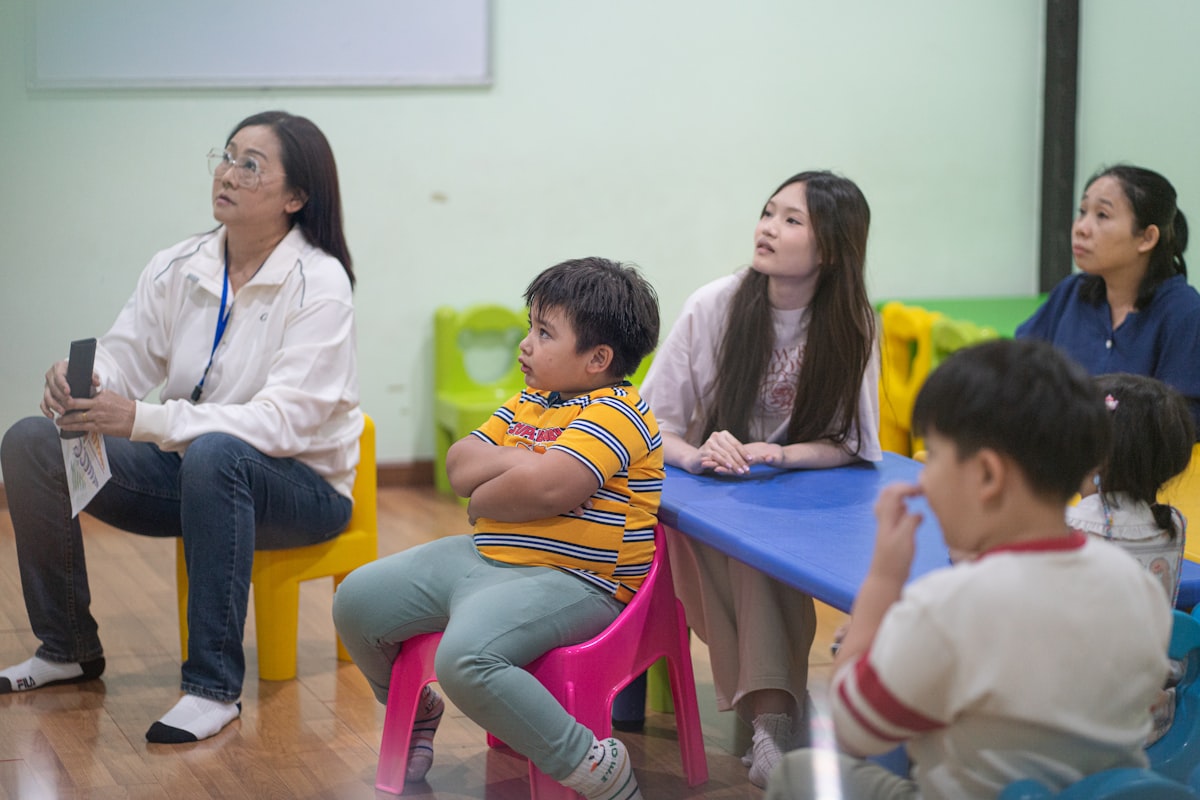
Unannounced. No warning. In the middle of a math lesson, you say: "Drop everything and read." Everyone, including you, grabs whatever book they're currently rea…

Once a week, invite 4-5 students to eat lunch in the classroom and talk about books. Not a structured discussion, just conversation. What are you reading? What'…
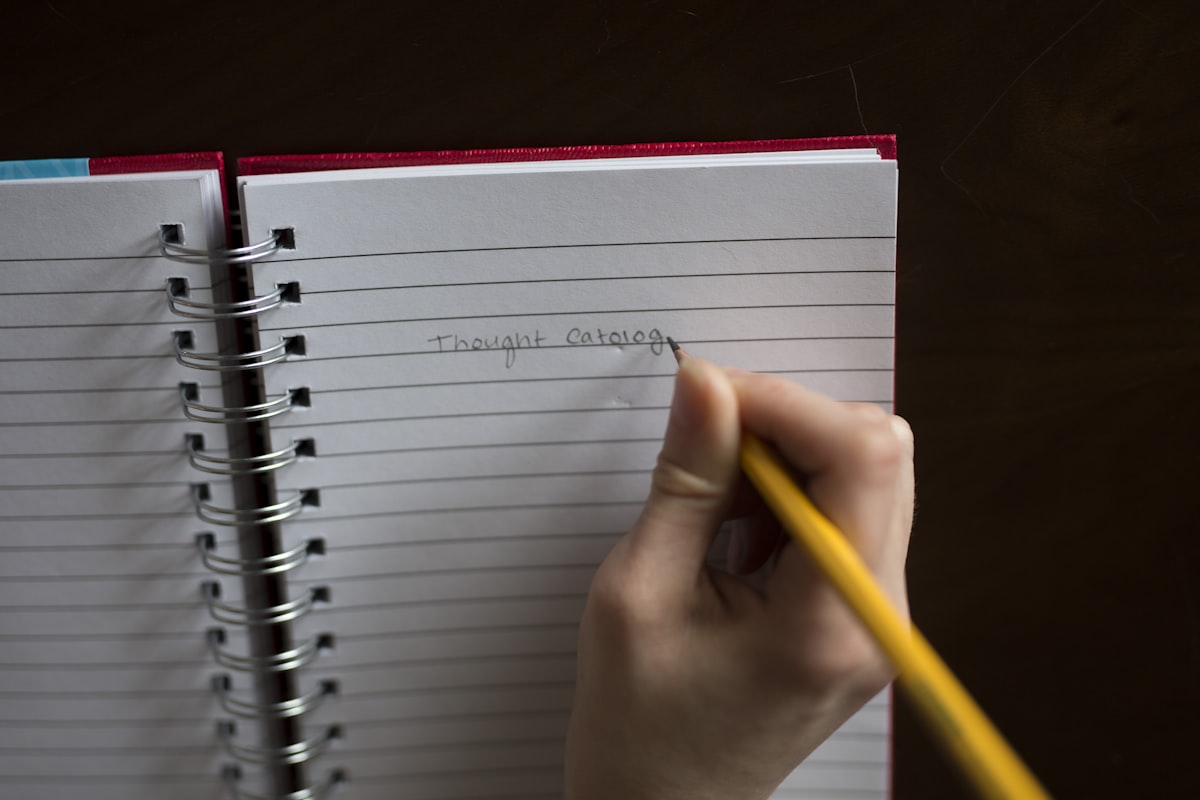
After finishing a read-aloud, give students 15 minutes to write what happens next. No rules. No rubric. Just: "What do you think happens after the story ends?"

Bibliotherapy, using books to help children process difficult experiences, isn't folk wisdom. It's a clinical practice with decades of peer-reviewed research su…
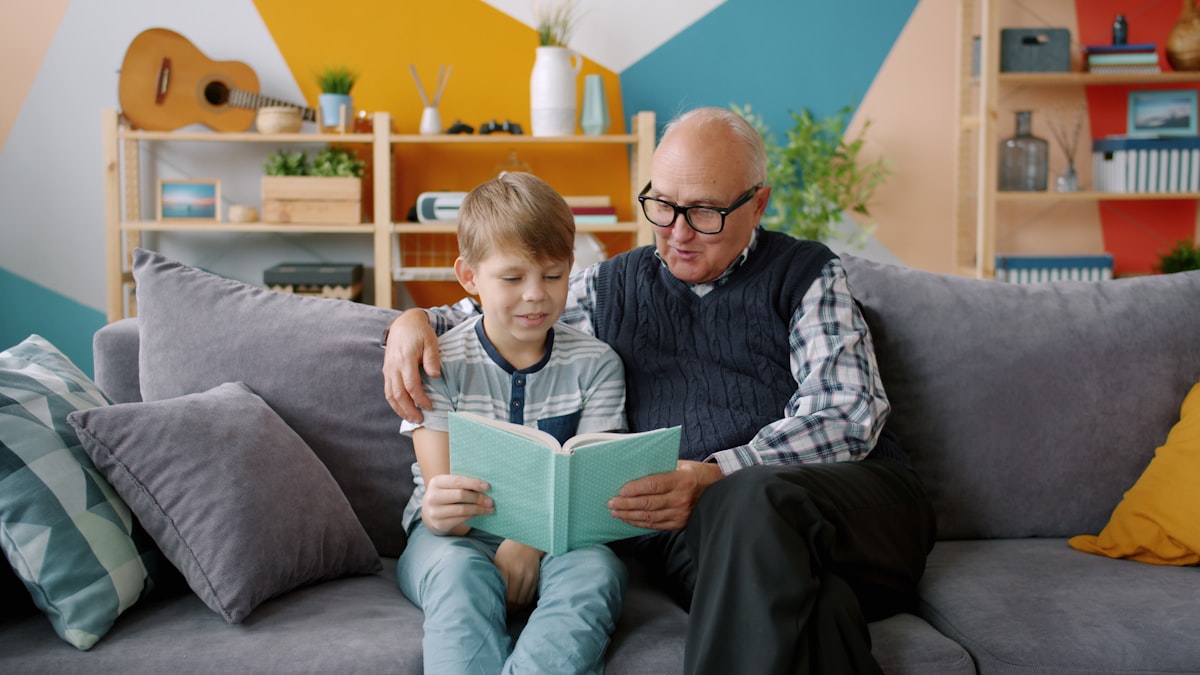
Reading literary fiction activates the same brain networks we use to understand real people's mental states. Researchers call this "theory of mind", the ability…
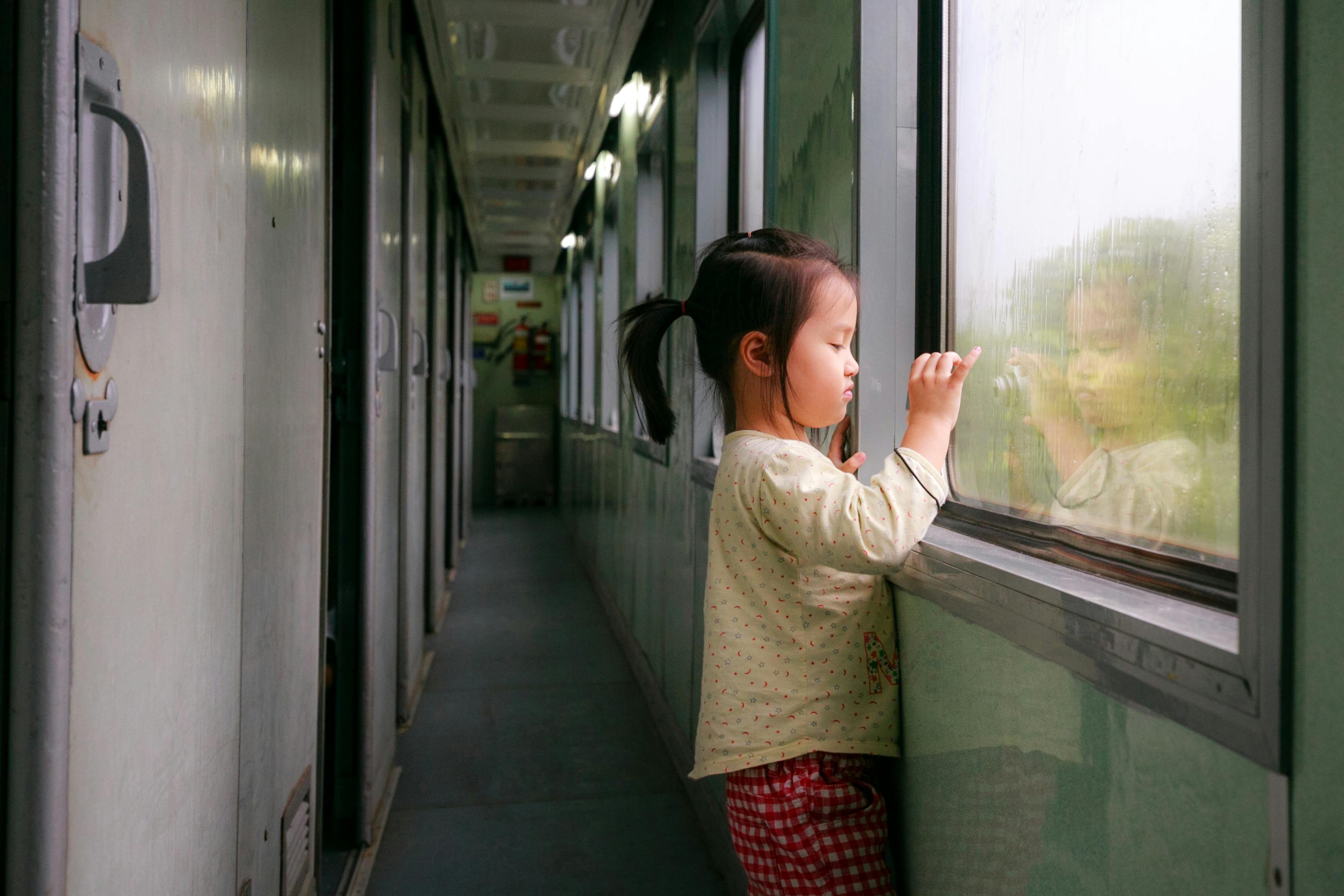
In 1990, scholar Rudine Sims Bishop introduced a metaphor that transformed how educators think about children's literature: books are mirrors, windows, and slid…
When you buy a book through Wonderlit's Bookshop.org links, 10% of the sale goes to an independent bookstore. That's not a marketing decision, it's a values dec…