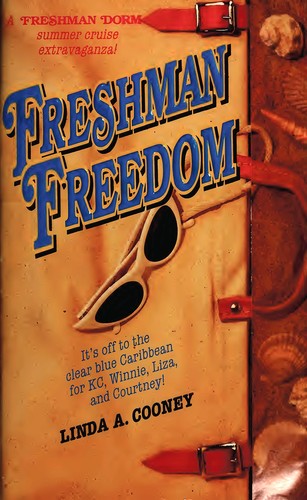
For the teenager navigating the exciting and often overwhelming world of high school, this story explores the challenges and triumphs of finding your place.
A parent might reach for this book when their teen is facing the social anxieties of starting high school. It's perfect for a child who feels like their friends are changing, or who is struggling to find where they belong in a new, bigger world. "Freshman Freedom" tells the story of twin sisters Lori and Melissa as they begin ninth grade. While Melissa reinvents herself to join the popular crowd, the quieter Lori feels left behind and lonely. The book explores timeless themes of identity, the pressure to conform, the meaning of true friendship, and the journey toward independence from family. It's a gentle, realistic story that validates the overwhelming feelings of freshman year and models how to find your own way.
The primary sensitive topics are social anxiety, peer pressure, and the pain of friendships changing. The book approaches these directly and from a teen's perspective, focusing on the internal emotional experience. The approach is secular and grounded in everyday school life. The resolution is hopeful and realistic: the sisters don't go back to how they were, but they forge a new, more mature understanding and both find a sense of belonging.
Ideal Reader
A 13 or 14 year old, especially a girl, who is about to start high school or is in the middle of their freshman year. This is for the teen who feels their middle school friendships are fracturing, who worries they won't fit in, or who is watching a close friend or sibling change in a way that feels alienating. It speaks directly to the quiet observer type.
Parent Prep
No specific pages require previewing. Parents should be prepared for the book's 1990s context (no cell phones or social media). This can be a great opportunity to discuss how the core challenges of cliques and finding friends are the same, but how technology might make them different today. The book can be read cold and stands on its own. A parent has heard their teen say, "I feel invisible at school," or "My best friend is ignoring me for new, popular friends," or expresses intense worry about what to wear and who to sit with at lunch. The trigger is seeing your once-confident child become anxious and withdrawn due to new social pressures.
Age Experience
A 13 year old will read this as a direct reflection of their current reality, identifying strongly with either Lori's loneliness or Melissa's desire for a fresh start. A 15 or 16 year old will likely read it with more perspective, seeing the freshman drama as a past experience. They might focus less on the plot and more on the themes of sisterhood and the long term journey of self-discovery.
What Makes It Special
Among the many high school stories, this book's use of the identical twin dynamic is its unique strength. It externalizes the internal conflict of wanting to change versus wanting to stay the same. The built-in tension of two people who look alike striving for different identities provides a powerful and clear metaphor for the struggle to become an individual that all teens face.
Read plot summary
Identical twins Melissa and Lori have always been a unit, but high school changes everything. On the first day, Melissa decides to go by "Lissa" and immediately falls in with the most popular, and sometimes unkind, clique. Quieter Lori feels abandoned and struggles with loneliness while trying to find her own interests, like the school newspaper. The novel follows their divergent social paths, the strain on their sisterly bond, first crushes, and the challenge of staying true to oneself amidst intense peer pressure. Ultimately, both sisters learn valuable lessons about identity, friendship, and independence.
This overview was generated by AI based on the book's content and reviews, and may not capture every nuance.
Discussion Prompts
1
Melissa changes her style and name to 'Lissa' to fit in with the 'In Crowd'. Have you ever felt like you had to change something about yourself to make friends? How did that feel?
2
Lori feels left behind when Melissa starts making new friends. Why was it so hard for her to talk to Melissa about her feelings? What could they have done differently?
3
The 'In Crowd' at school isn't always very kind. Do you think Melissa was a true friend to them, or was she just trying to be popular? What is the difference?
4
By the end of the book, Lori and Melissa have both found their own paths. Do you think their relationship as sisters is stronger or weaker after their difficult year? Why?