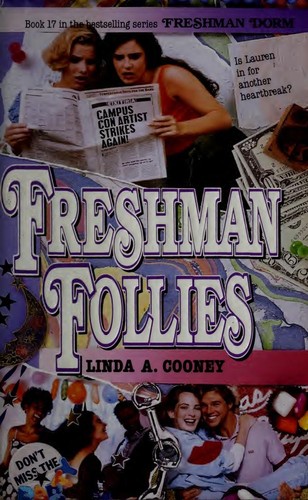
For the student navigating the intense social scene of a new school, this book explores the anxiety of false accusations and the fight to clear your name.
A parent might reach for this book when their teen is struggling with the intense social pressures of a new school, especially if they feel misunderstood or unfairly judged. The story is a fast-paced mystery about a college freshman named Kimberly who is framed for a series of thefts in her dorm. As the evidence mounts against her, she must fight to clear her name while navigating a new environment where everyone, including potential friends, sees her as a suspect. It's a compelling read for ages 12 to 16 that taps directly into feelings of anxiety, the need for justice, and the difficulty of building self-confidence when your reputation is on the line. This book uses a high-stakes plot to open conversations about gossip, loyalty, and trusting your own judgment when you feel isolated.
Friends doubt the protagonist, blurring the lines between loyalty and self-preservation.
Sensitive Topics
The core sensitive topics are false accusation, social ostracization, and bullying. The approach is direct, focusing on the protagonist's intense emotional distress, paranoia, and feelings of helplessness. The resolution is hopeful: Kimberly's name is cleared and the villain is exposed. However, the story realistically acknowledges the emotional scars left by betrayal and the difficulty of rebuilding trust after such an ordeal.
Ideal Reader
A teen (ages 13-15) who feels keenly about fairness and may be struggling with social anxiety in a new environment like middle or high school. This reader enjoys fast-paced mysteries with clear stakes and relatable emotional drama. It's a great fit for a child who has recently felt misunderstood or judged by their peers.
Parent Prep
The book can be read cold as the content is straightforward for the age group. A parent might prepare to discuss the 1990s setting (no cell phones or social media), as it's central to how information and gossip spread. It could be useful to talk about how a similar situation might play out differently today. A parent overhears their child saying things like, "It's not fair, nobody believes me," or "Everyone at school is talking about me." The trigger is any situation where the child feels socially isolated, ganged up on, or wrongly accused by friends or authority figures.
Age Experience
A younger reader (12-13) will likely focus on the whodunit aspect of the mystery and the clear injustice Kimberly faces. An older teen (14-16) will connect more deeply with the psychological elements: the suffocating paranoia, the social dynamics of suspicion, and the complexity of whom to trust under pressure.
What Makes It Special
Set in the pre-internet 1990s, this book provides a unique flavor of social thriller. The mystery unfolds through word-of-mouth, gossip, and planted physical evidence, creating a claustrophobic tension that is distinct from modern, tech-based mysteries. It offers a pure, high-stakes social drama without some of the heavier, more graphic themes common in contemporary YA thrillers.
Read plot summary
Kimberly Whalen is a freshman at a new university, excited to start over and make friends. Her plans are derailed when a series of thefts occurs in her dorm, and all the circumstantial evidence points directly to her. Ostracized by her peers and doubted by the administration, Kimberly must race against time to uncover the real thief, who seems to be methodically framing her, before she loses her reputation and her place at school.
This overview was generated by AI based on the book's content and reviews, and may not capture every nuance.
Discussion Prompts
1
When the evidence against Kimberly started piling up, did you ever doubt her innocence? What does this say about how easily we can be swayed by appearances?
2
If you were one of Kimberly's dormmates, do you think you would have believed her or suspected her? What would it take for you to stand by a friend who everyone thinks is guilty?
3
Winston initially doubts Kimberly but eventually helps her. What qualities made him a good ally? How was his support different from what she expected from her other friends?
4
This story was written before social media. How would the plot be different if it took place today? Would it have been easier or harder for Kimberly to prove her innocence?