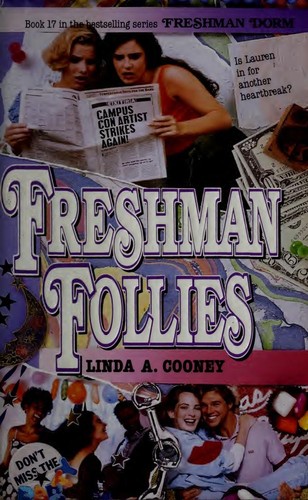
A parent might reach for this book when their teen is starting high school and feeling insecure or overwhelmed by social pressure. It's for the child who feels they don't quite measure up to their peers, whether in social status, wealth, or confidence, and is tempted to be someone they're not just to fit in. Freshman Truths follows Phoebe, a new student at a wealthy high school who feels like an outsider. To win friends in the popular crowd and attract the attention of a cute boy, she invents a glamorous new identity. This story gently explores themes of honesty, self-acceptance, and the value of true friendship. It captures the anxiety of wanting to belong and the emotional weight of keeping up a lie. For ages 12 to 16, this book is a great, low-stakes way to open a conversation about integrity and finding the courage to be yourself.
Your experience helps other parents find the right book.
Sign in to write a reviewA very innocent first crush dynamic, including holding hands and one gentle kiss.
The 1992 setting lacks modern technology (cell phones, social media) which may feel dated to teens.
The core topic is socioeconomic disparity and the resulting peer pressure. The approach is direct and character-driven, focusing on Phoebe's feelings of inadequacy and her decision to lie. The narrative is secular. The resolution is hopeful and reinforces a positive moral lesson: honesty and self-acceptance lead to true belonging. There are no other significant sensitive topics like death, divorce, or violence.
A 12 to 14-year-old who is just entering high school or a new school environment. This reader is likely feeling anxious about making friends, fitting in, and may be comparing themselves to others. They are grappling with early questions of identity and integrity.
The book can be read cold. It's a very gentle read with no specific scenes requiring a preview. However, a parent should be prepared to discuss the 1990s setting (e.g., life before cell phones and social media) and to have conversations about why people sometimes lie to fit in and what makes a real friend. A parent notices their child seems ashamed of their home or family, or they hear their child say things like, "Everyone else has [expensive item]" or "I can't have my friends over." The child may be developing a new secretiveness or trying too hard to impress others.
A younger reader (12-13) will likely connect most with the relatable high school drama, the first crush romance, and the simple moral of 'don't lie'. An older teen (14-16) may appreciate the subtler themes of identity, the critique of social hierarchies, and view the story with a sense of nostalgia for a simpler depiction of teen life.
Its primary differentiator is its 1990s setting. The absence of social media, texting, and the internet creates a contained, character-focused drama. This provides a unique, 'unplugged' look at peer pressure and identity formation that feels both nostalgic for parents and refreshingly straightforward for today's teens.
Phoebe has just moved and is starting at a high school where most students are very wealthy. Feeling insecure about her middle-class background, she creates a web of lies to impress the popular clique, known as the "Royals," and her crush, Ben. Her deception grows, causing tension with her family and her one genuine friend, Anne. The story centers on Phoebe's internal conflict as she struggles to maintain her false persona, culminating in a moment of truth where she must choose between popularity and authenticity.
This overview was generated by AI based on the book's content and reviews, and may not capture every nuance.