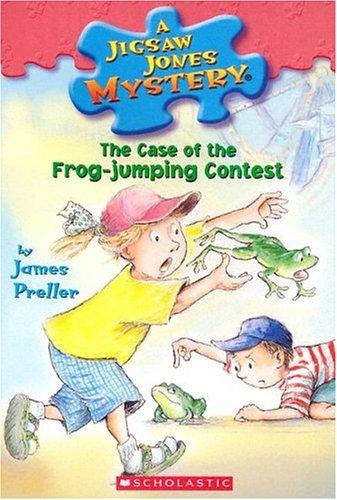
A parent might reach for this book when their child is ready for their first chapter book mysteries or is trying to understand a classmate who seems demanding or different. "The Case of the Spoiled Rotten Heiress" introduces young readers to Jigsaw Jones, a second-grade detective who solves mysteries for his friends. In this installment, he's hired by a very wealthy and particular classmate to find a missing treasure. The story is a fun, low-stakes puzzle that cleverly explores themes of empathy, friendship, and looking past first impressions. It's an excellent choice for building reading confidence and sparking conversations about fairness and seeing things from another person's point of view.
The primary social theme is socioeconomic difference and judging others based on wealth or behavior. The book handles this gently, using Athena's "spoiled" behavior as a starting point for a lesson in empathy. The resolution is hopeful and focuses on understanding rather than punishment. The approach is entirely secular and realistic.
Your experience helps other parents find the right book.
Sign in to write a reviewThis book is perfect for a 6 to 8-year-old who is transitioning into chapter books. The ideal reader loves puzzles, enjoys feeling like they can solve the mystery alongside the characters, and is drawn to realistic school and friendship stories. It's a great fit for a child who enjoys series like "Nate the Great" but is ready for slightly more complex plots and character interactions.
No preparation is needed. The book can be read cold. The language and situations are entirely age-appropriate. A parent might want to be ready for a conversation about why Athena acts the way she does, but the book provides all the necessary context for a child to understand on their own. A parent has overheard their child saying a classmate is "bossy," "spoiled," or "weird." Or, the child has shown a new interest in figuring things out, solving puzzles, or playing detective. This book provides a constructive and entertaining way to explore both social dynamics and logical problem-solving.
A 6-year-old will primarily focus on the fun of the mystery: the search, the clues, and the big reveal. They will enjoy the satisfaction of a solved puzzle. An 8 or 9-year-old will pick up more on the social subtleties, the humor in the dialogue, and the underlying message about not judging people too quickly. They will also better appreciate the step-by-step logic Jigsaw uses in his notebook.
Compared to other early mystery series, Jigsaw Jones stands out by framing each case within a familiar, realistic school environment. Its unique feature is the inclusion of Jigsaw's own case file notes, which breaks up the text and models logical thinking for the reader. The emphasis on the partnership between Jigsaw and Mila also provides a strong model of collaborative, co-ed friendship and teamwork.
Second-grade private eye Jigsaw Jones and his best friend Mila Yeh are hired by their wealthy and seemingly spoiled classmate, Athena Lorenzo. Athena's prized porcelain pony statue has vanished, and she's offering a big reward for its return. Jigsaw and Mila must interview their fellow students, follow clues, and navigate Athena's demanding personality to solve a mystery that turns out to be a simple misunderstanding. The book highlights logical deduction in an accessible, school-based setting.
This overview was generated by AI based on the book's content and reviews, and may not capture every nuance.