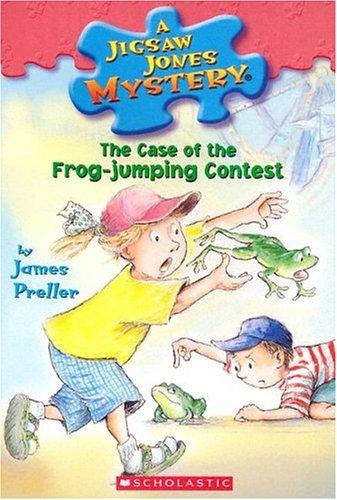
When your child is developing a sense of right and wrong and is fascinated by solving puzzles, this book offers a gentle introduction to mystery and moral reasoning. It follows second-grade detective Jigsaw Jones, who is hired to find a friend's valuable missing baseball card. The story explores themes of honesty, friendship, and fairness in a relatable schoolyard setting. Perfect for early independent readers aged 6-9, this book is a great choice because it models logical problem-solving and handles the topic of theft among friends with a focus on understanding and reconciliation, not just punishment.
The primary sensitive topic is theft among friends. The approach is direct, secular, and focused on social-emotional learning. The resolution is hopeful and prioritizes restorative justice: the card is returned, the thief apologizes, and the friendship is tested but ultimately repaired. It handles the 'why' behind the theft (jealousy, a bad joke) gently and with empathy.
Your experience helps other parents find the right book.
Sign in to write a reviewAn early elementary school reader, ages 6-8, who is just transitioning to chapter books. This child enjoys logic puzzles, playing detective, and stories about school and friendship. They are developing a strong sense of fairness and may be grappling with social situations where someone has broken a rule.
No prep needed. The book is straightforward and can be read cold. The concepts of friendship, jealousy, and making mistakes are all well within a child's typical school experience. It's a great 'read-together' or first independent read. The parent's child comes home upset because a friend took something without asking, or their own child has been accused of taking something. The parent is looking for a way to discuss fairness, honesty, and making amends in a non-preachy way.
A 6-year-old will enjoy the 'whodunit' aspect and the satisfaction of finding the culprit. An 8 or 9-year-old might be more interested in Jigsaw's specific detective methods (like keeping a case file and charging a fee) and the social dynamics behind the theft, like jealousy and peer pressure.
This book is one of the most accessible entry points into the mystery genre for new chapter book readers. Unlike Encyclopedia Brown's sometimes complex logic or Cam Jansen's superhuman memory, Jigsaw's methods are relatable and replicable: asking questions, observing, and thinking things through. It's a mystery grounded firmly in the world of a second-grader.
Second-grader Jigsaw Jones is a detective for hire. When his friend Eddie's prized Mickey Mantle baseball card disappears during a sleepover, Jigsaw takes the case for one dollar a day. He methodically interviews his friends, who were all at the party, and uncovers clues that lead him to the surprising culprit. The resolution involves the thief confessing, returning the card, and understanding the motivations behind the theft.
This overview was generated by AI based on the book's content and reviews, and may not capture every nuance.