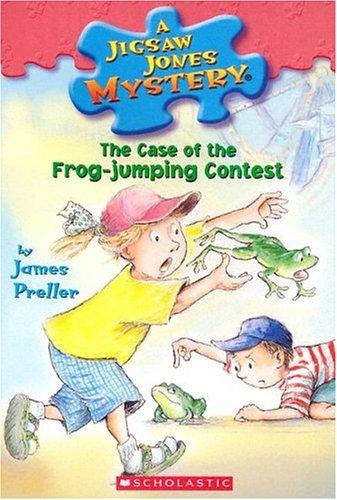
A parent might reach for this book when their child is confused or frustrated by a classmate's disruptive behavior. It offers a gentle entry point into understanding that there are often hidden reasons why people act out. The story follows second-grade detective Jigsaw Jones as he tries to figure out why his usually quiet friend, Eddie, has suddenly become the class clown. Through simple detective work, Jigsaw uncovers the real reason: Eddie feels overlooked at home because of his new baby sibling. This early chapter book, perfect for ages 6 to 9, skillfully uses a lighthearted mystery to explore themes of empathy, friendship, and the importance of looking beyond surface-level actions. It's an excellent choice for fostering compassion and social-emotional awareness.
The book deals with the common childhood challenge of adjusting to a new sibling and the resulting feelings of jealousy or being ignored. The approach is direct, secular, and presented as a solvable problem. The resolution is entirely hopeful, emphasizing the power of friendship and empathy to help someone through a tough time.
Your experience helps other parents find the right book.
Sign in to write a reviewThe ideal reader is a 6 to 8-year-old who is new to chapter books and enjoys simple mysteries. It is especially well suited for a child who is trying to make sense of a classmate's confusing behavior or who might be experiencing feelings of displacement themselves, perhaps due to a new sibling or other family change.
No specific preparation is needed. The book's themes are presented in a very accessible and age-appropriate way. It can be read cold and serves as a great standalone tool for discussion. A parent has just heard their child complain, "Mila was so annoying in class today, she just wouldn't stop talking!" Or, a teacher note comes home about a child's own disruptive behavior, and the parent is looking for a way to open a conversation about feelings.
A 6-year-old will likely focus on the humor of the class clown's jokes and the fun of solving the mystery. An 8 or 9-year-old will more deeply grasp the emotional cause and effect, connecting Eddie's actions at school to his feelings at home. The older child can better articulate the lesson about empathy.
While many school stories feature a 'class clown' character, this book is unique in that it reframes the behavior as a mystery to be solved with compassion. It actively teaches the reader to look for the 'why' behind a person's actions, modeling emotional intelligence and problem-solving over judgment or punishment. It's a mystery where the solution is empathy.
Second-grade detective Jigsaw Jones is hired by his friends to investigate the strange behavior of their classmate, Eddie. Eddie has inexplicably transformed into a disruptive class clown. Through observation and interviews, Jigsaw discovers that Eddie's behavior is a cry for attention because he feels ignored and left out at home since the arrival of his new baby sister. The mystery is solved not with a confrontation, but with an act of understanding and friendship.
This overview was generated by AI based on the book's content and reviews, and may not capture every nuance.