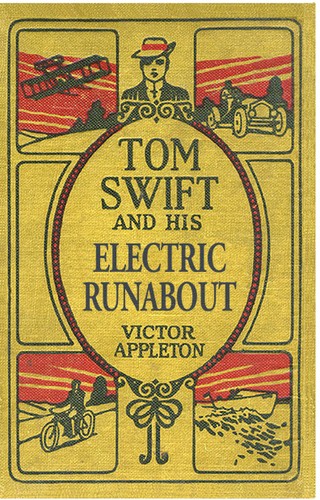
A parent might reach for this book when their curious child is fascinated by how things work and dreams of building their own inventions. Tom Swift and His Photo Telephone channels that inventive energy into a thrilling, classic adventure. The story follows young genius Tom Swift as he perfects a device to send moving pictures over telephone wires, all while fending off corporate spies determined to steal his secrets. The book champions perseverance, creative problem-solving, and the sheer wonder of scientific discovery. While perfect for young readers aged 9 to 14 with an interest in STEM, parents should be aware that the 1914 text contains outdated and offensive racial stereotypes that require a frank discussion about historical context.
Contains social attitudes and language from 1914 that are now considered offensive.
Mild PerilMild
Characters are in danger from rivals, including kidnapping attempts and sabotage.
ViolenceMild
Some fistfights and confrontations, but not graphic or detailed.
Sensitive Topics
The book reflects the uncritical and prejudiced social norms of its 1914 publication. There are significant, harmful racial stereotypes, particularly in the depiction of the Black character, Eradicate "Rad" Sampson. He is presented as comic relief, speaks in an exaggerated and demeaning dialect, and embodies minstrel-era caricatures. The approach is entirely secular.
Ideal Reader
A child (ages 10-13) who loves building things with LEGOs or robotics kits and is fascinated by how things work. They enjoy stories with clear good guys and bad guys, straightforward problems, and clever, tech-based solutions. This is for the kid who daydreams about inventing the next big thing.
Parent Prep
Parents MUST preview this book. They need to be prepared for the significant racial stereotypes, particularly the character of Eradicate Sampson. A parent should read these sections first and be ready to have a direct conversation with their child about the historical context, why the portrayal is harmful, and how representations in media have changed. This book cannot be read cold without this crucial context. A parent sees their child showing a burgeoning interest in engineering, science, or invention. The child might be taking apart old electronics or constantly asking "how does that work?". The parent wants an inspiring, classic story that nurtures this curiosity.
Age Experience
A 9 or 10-year-old will likely focus on the cool inventions and the exciting cat-and-mouse chase, seeing Tom as an aspirational hero. A 13 or 14-year-old may be more attuned to the plot mechanics and is more capable of understanding and discussing the problematic historical elements with parental guidance. The older reader might also appreciate the "proto-sci-fi" nature of the technology.
What Makes It Special
Unlike modern STEM fiction that often deals with complex social issues, this book offers a purely optimistic and straightforward view of invention as a force for good. Its historical context is its key differentiator; it is a time capsule of early 20th-century technological optimism and, problematically, its social attitudes.
Read plot summary
Young inventor Tom Swift works to perfect his latest creation: a "photo telephone" that transmits moving pictures. His work is threatened by a rival syndicate, the "Shopton fellows," who resort to sabotage and theft to steal his plans. Tom, with the help of his friends and father, must outsmart the villains, protect his invention, and ultimately demonstrate its success in a high-stakes finale.
This overview was generated by AI based on the book's content and reviews, and may not capture every nuance.
Discussion Prompts
1
Tom's photo telephone seemed like magic in 1914, but we have video calls today. What invention that seems like magic now do you think might be common in the future?
2
The 'Shopton fellows' try to steal Tom's invention instead of creating their own. Why do you think people sometimes choose to cheat or steal instead of working hard? What could the rivals have done differently?
3
The way the character Eradicate Sampson is written reflects harmful stereotypes from the time the book was published. How does this depiction make you feel? Why is it important to recognize and talk about these parts of older books?
4
Tom relies on his friends and family, like Mr. Damon and his father, to succeed. Can you think of a specific moment where teamwork helped Tom solve a problem he could not have solved alone?