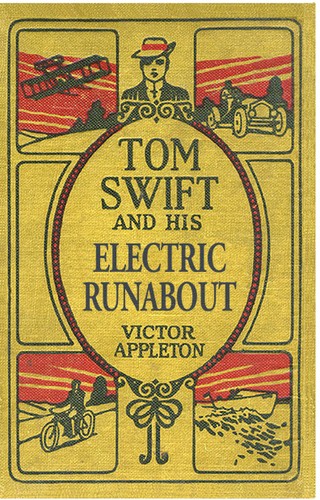
A parent might reach for this book when their child shows a budding interest in engineering, invention, and classic, high-stakes adventure. It's perfect for a young reader who loves to see problems solved not with magic, but with cleverness and technology. In this story, the brilliant young inventor Tom Swift designs a state-of-the-art airship to hunt for a legendary valley of gold in the icy wilderness of Siberia. Along with his friends, he must brave treacherous conditions, survive avalanches, and outwit a group of ruthless rivals. The book champions themes of resilience, bravery, and the power of scientific thinking. While the action is exciting, the peril is manageable for its 9 to 13 year old target audience, making it a great introduction to the science fiction adventure genre.
Includes fistfights, threats, and confrontations with rival treasure hunters. Not graphic.
Cultural Content GapModerate
Contains ethnic and character stereotypes reflective of the early 20th century.
Sensitive Topics
As a book from 1911, it contains a significant cultural gap. Ethnic stereotypes, particularly concerning the depiction of a giant man named Andy Foger as a simple-minded bully and other minor characters, are present. The approach is not self-aware; it reflects the unexamined biases of its time. The resolution is a straightforward, triumphant victory for the heroes. There are no religious themes.
Ideal Reader
A 9 to 12 year old who is fascinated by mechanics, engineering, and problem solving. This reader likely enjoys building with LEGOs or in games like Minecraft, and is drawn to stories where intelligence and invention, rather than superpowers, win the day. They prefer clear stakes and fast-paced, action-oriented plots.
Parent Prep
Parents should be prepared to provide context for the book's age. A brief conversation about how social attitudes and depictions of people have changed since the early 1900s is recommended. No specific scenes are graphically violent, but the stereotypes and dated language warrant a heads-up and potential discussion about why such portrayals are no longer acceptable. A parent notices their child is captivated by STEM concepts but finds non-fiction books on the topic to be too dry. They are looking for a story that makes science and engineering feel exciting and heroic. Or, they want to introduce their child to the classic adventure stories that inspired many modern books and films.
Age Experience
A younger reader (9-10) will be captivated by the cool airship, the clear good-vs-evil conflict, and the thrilling survival scenes. They will focus on the action. An older reader (11-13) will also enjoy the action but may be more attuned to the technical descriptions of Tom's inventions and the logical process he uses to overcome obstacles. They may also be more likely to notice and question the dated social aspects.
What Makes It Special
Unlike modern science fiction that often delves into complex social commentary or dystopian themes, Tom Swift is a pure, optimistic celebration of American ingenuity. Its core message is that with enough brainpower, courage, and the right technology, any problem can be solved. This unwavering faith in progress and individual genius is a hallmark of its era and makes it a unique foundational text in the genre.
Read plot summary
Young inventor Tom Swift learns of a hidden valley of gold in Siberia, accessible only by air. He designs and constructs a new, powerful airship, the Falcon, specifically for the harsh, cold environment. With a small crew, he journeys to the arctic, where he must contend with extreme weather, equipment failures, and a rival expedition determined to steal his glory and the treasure. The adventure culminates in a tense race through treacherous ice caves and a clever escape from an avalanche, with Tom's ingenuity saving the day.
This overview was generated by AI based on the book's content and reviews, and may not capture every nuance.
Discussion Prompts
1
Tom invents the Falcon specifically for his trip. If you had to design a special vehicle to explore a dangerous place (like a volcano or the deep sea), what would it be and what three gadgets would it have?
2
Tom's rivals try to steal his plans and use force to get the gold. Tom relies on his intelligence and teamwork. Which method do you think is more powerful in the long run, and why?
3
When the avalanche traps the crew, they have to work together to survive. What was the most clever solution Tom or his friends came up with while they were in the caves of ice?
4
This book was written more than 100 years ago. Did you notice any words or descriptions that felt old-fashioned or different from how we talk about people and places today?